Introduction: Not far from Rome, a cool and very damp setting overlooking Lago di Albano. A walk suitable for children among chestnuts, holm oaks, downy oaks, ferns and maidenhair ferns.
Route features: Simple linear path that goes round Lago di Albano following the upper part of the ridge. No significant height gain, in a protected area popular with hikers and mountain bikers. A way to bring children closer to the mountains.
Route description
Taking children on a hike, choosing a route that suits their strength and their needs, is not a simple matter even for the most attentive parents, the ones most able to devote themselves to their children.
The psychological work behind hikes with children calls for care, patience and giving up your own amazing goals of conquest. The satisfactions are many.
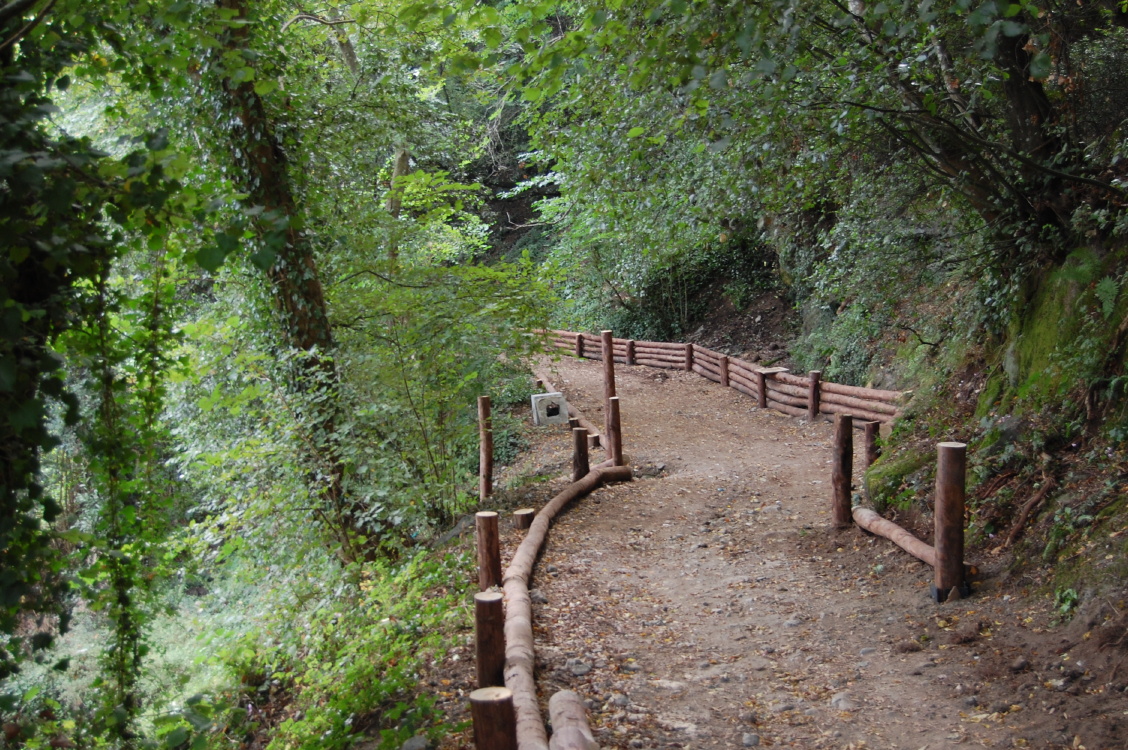
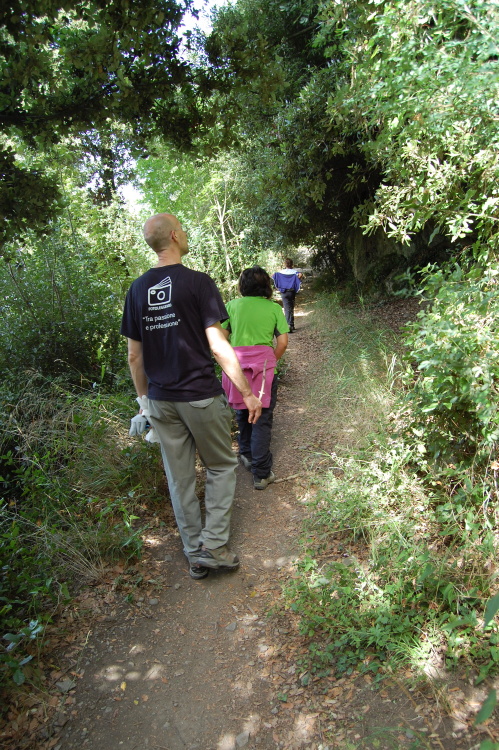
Not far from Rome, on the volcanic cone of Lago di Albano, you can walk a hiking path deep among chestnuts, holm oaks, beeches and alders. It is a hill rather than a mountain, with truly interesting features.
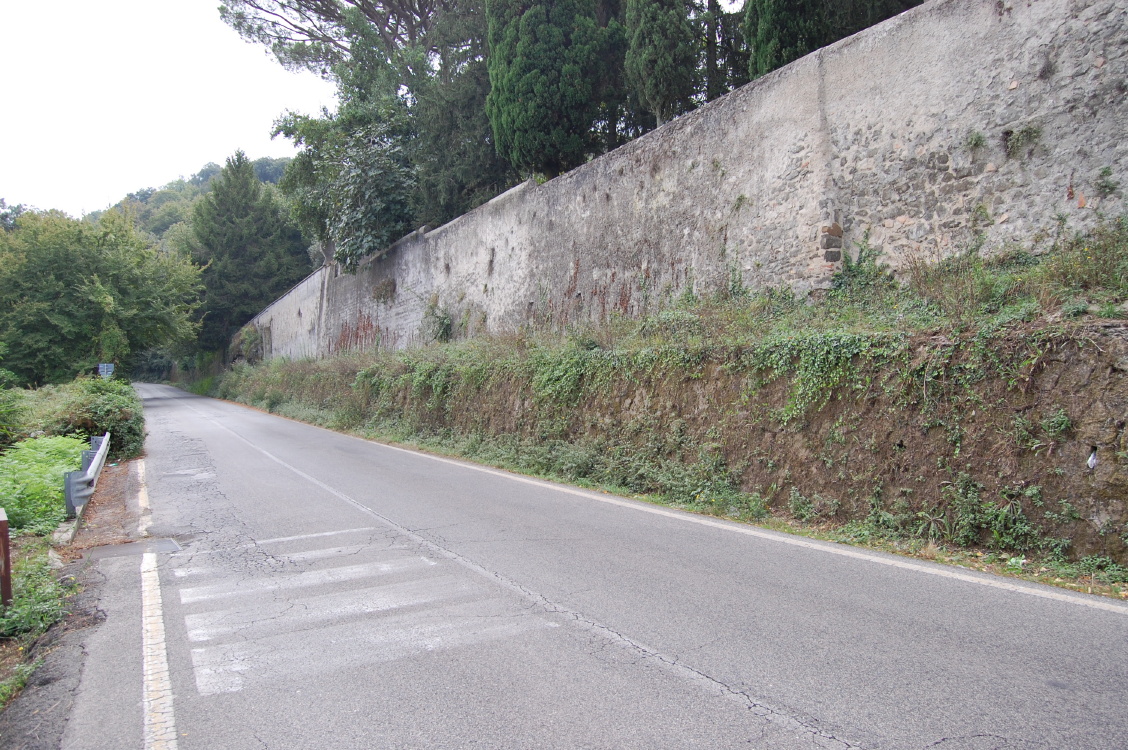
The path that, from the upper part of Albano near the restaurant “Le Fratte Ignoranti”, winds its way as far as the “Convento di Palazzolo”.
At present (September 2014) the path is cut off right below the Convento di Palazzolo because of a landslide. The route is nevertheless interesting for its simplicity and for its natural and historical interest.
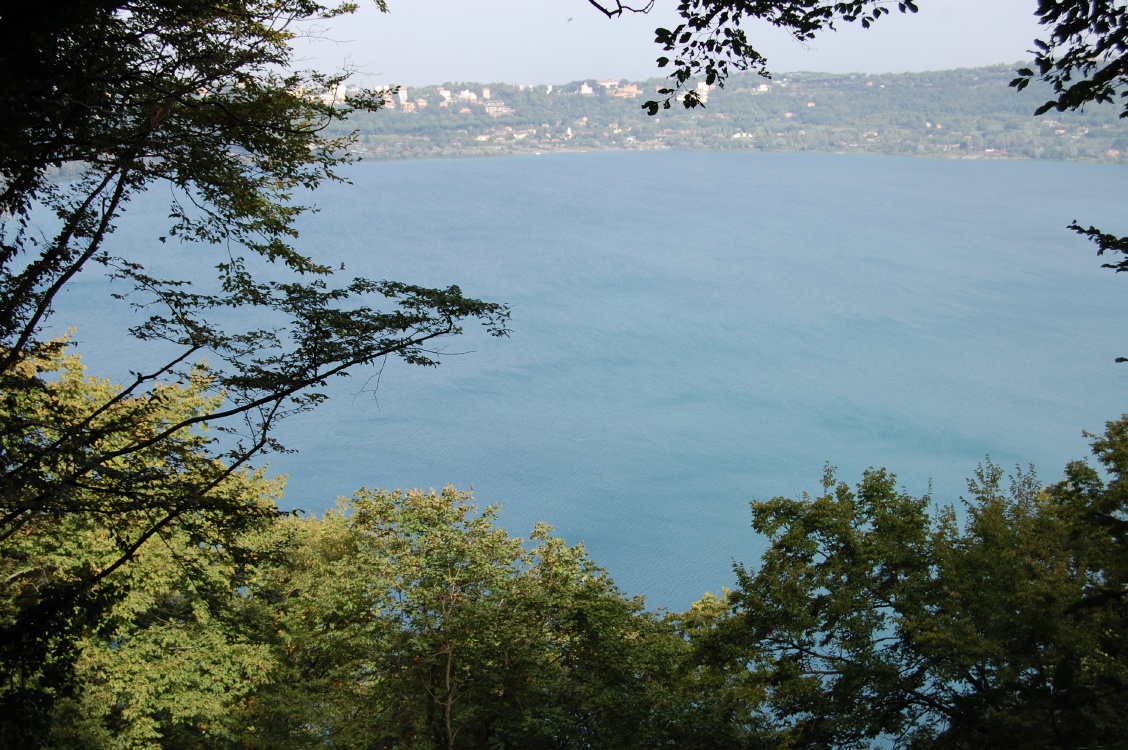
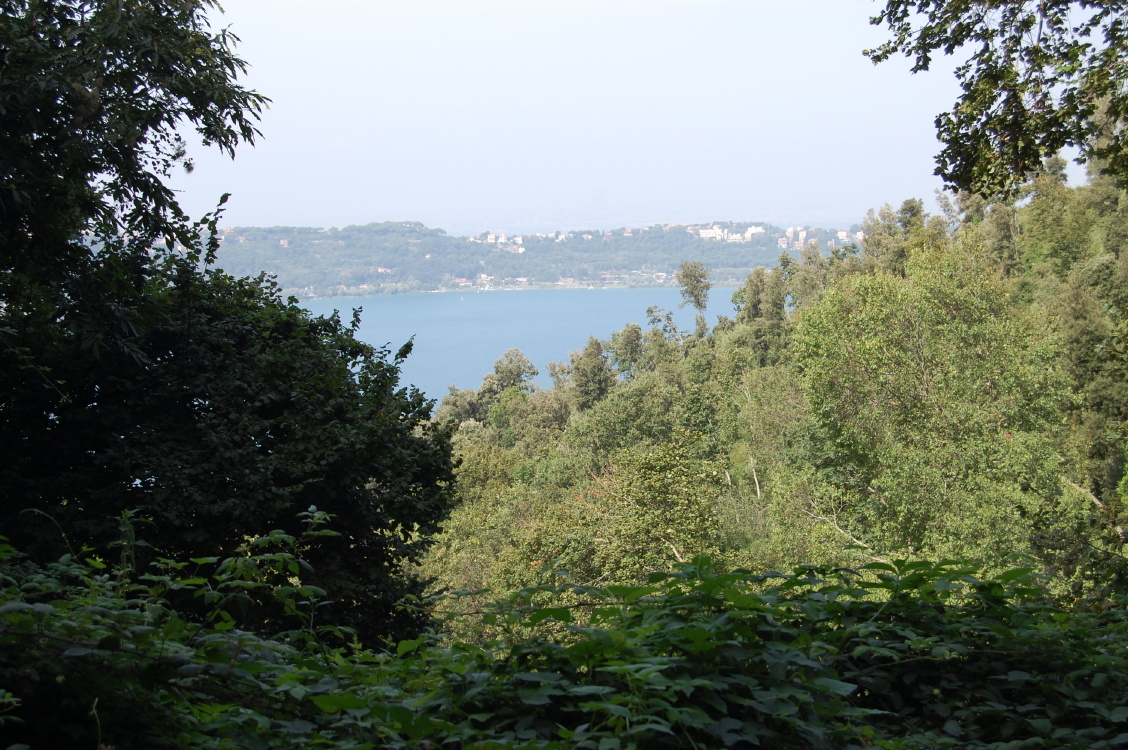
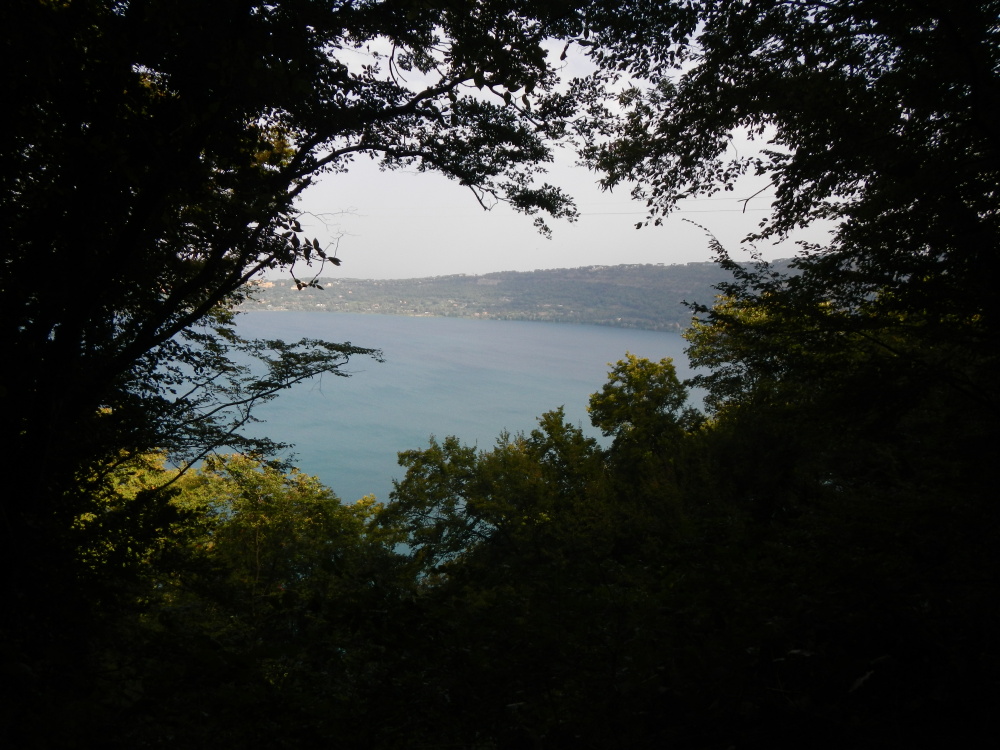
Along the route the first point of interest, obviously, is the constant presence of “Lago di Albano” with its shifting pastel colours. It is very pleasant to feel its presence all along the way. Some truly interesting views, if we think that we are only 30 minutes by car from Rome.
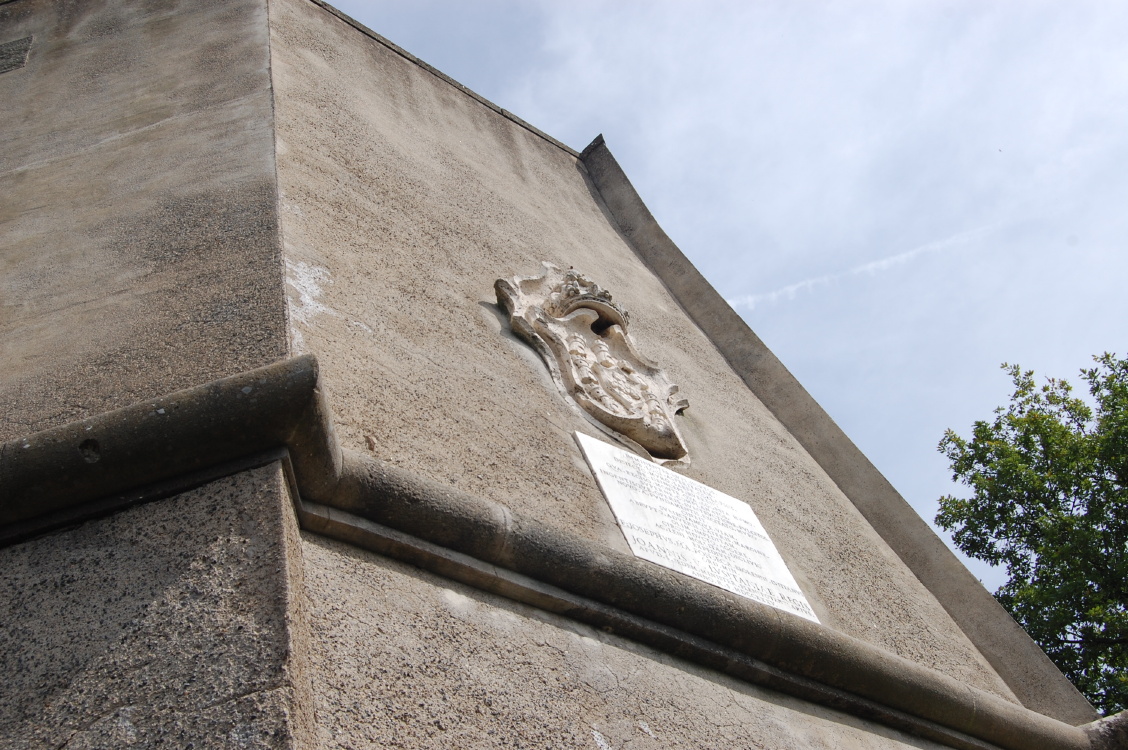
Along the first part of the route we find the ruins of ancient Roman water conduits, built in masonry with the opus reticulatum technique. It is very interesting that these structures still stand today, after millennia.
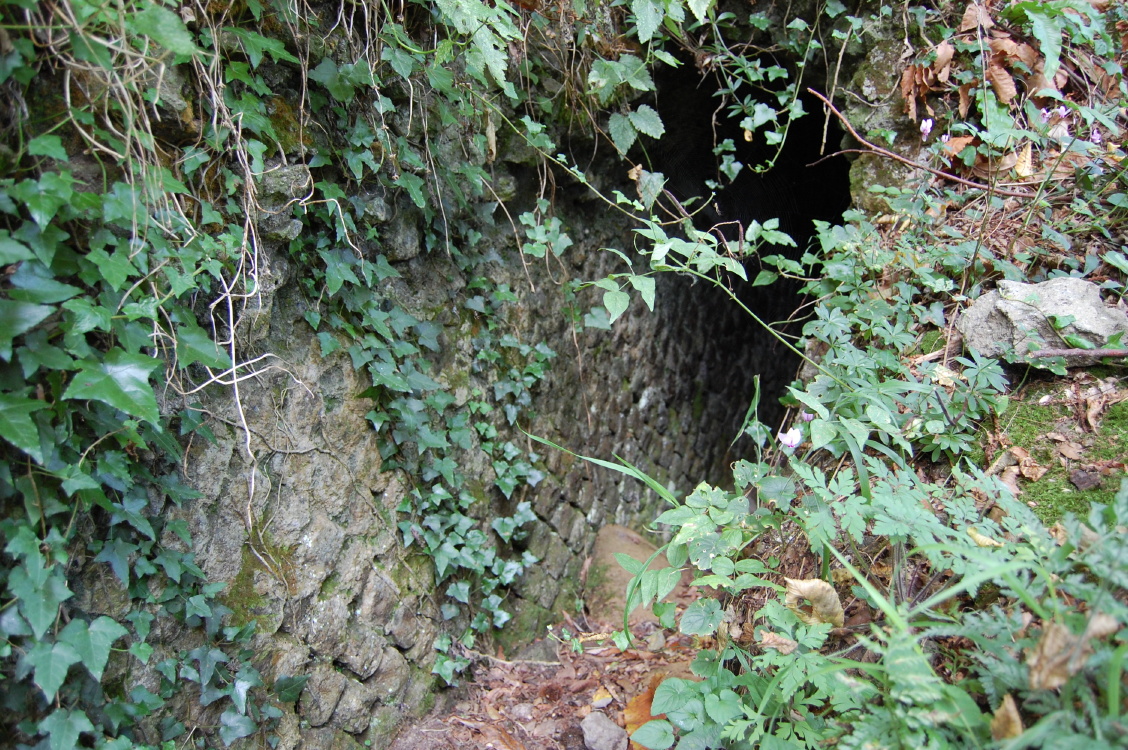
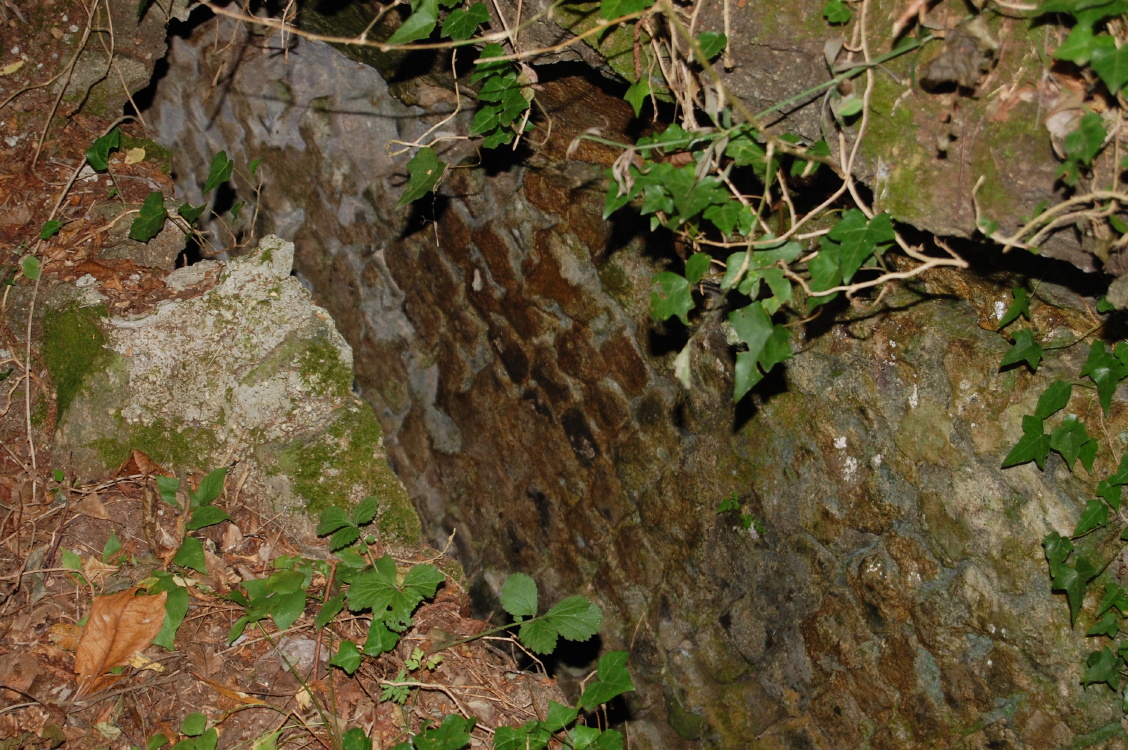
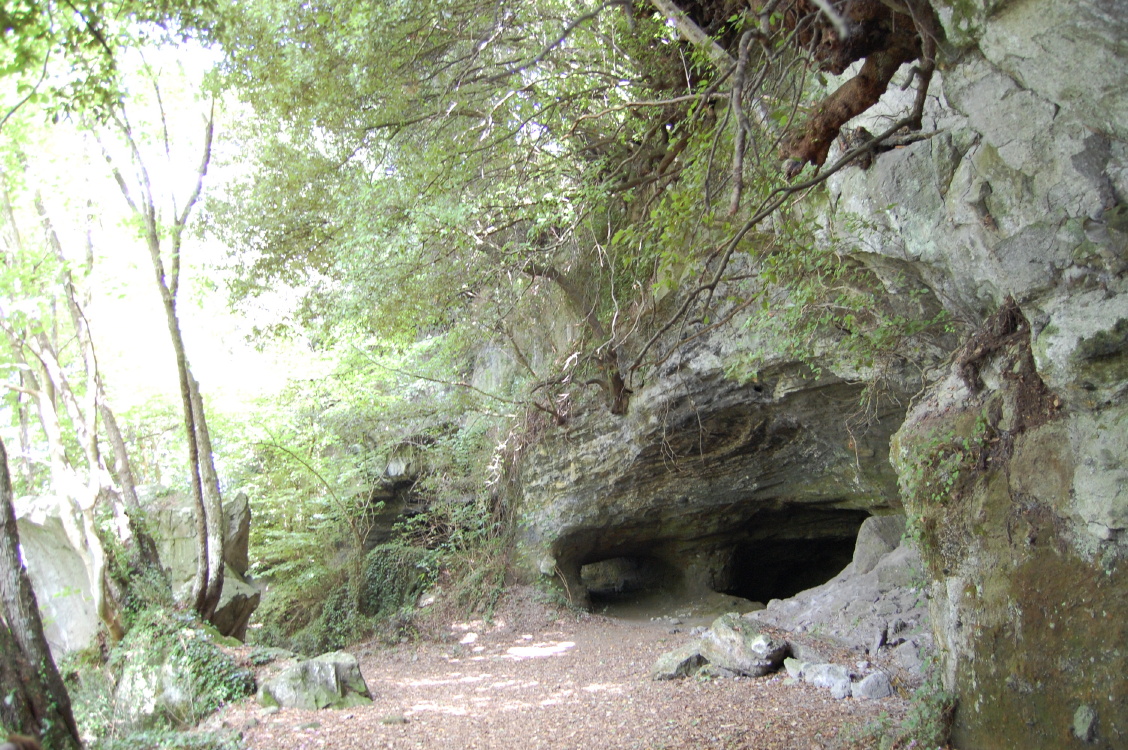
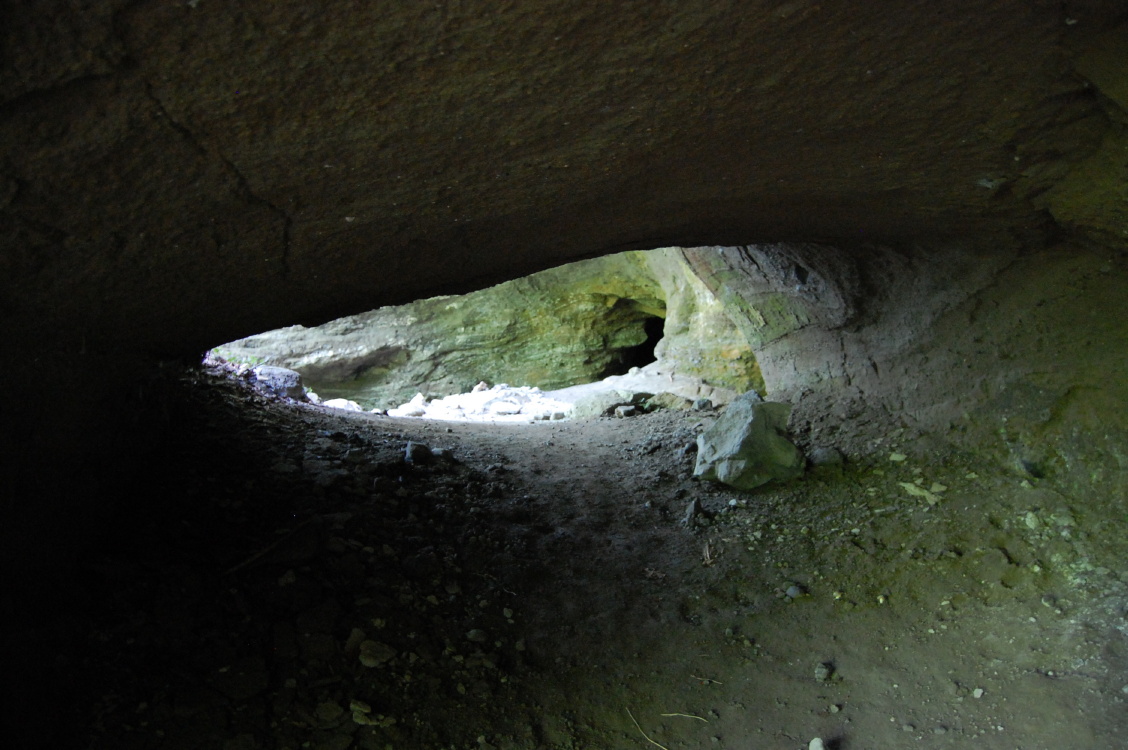
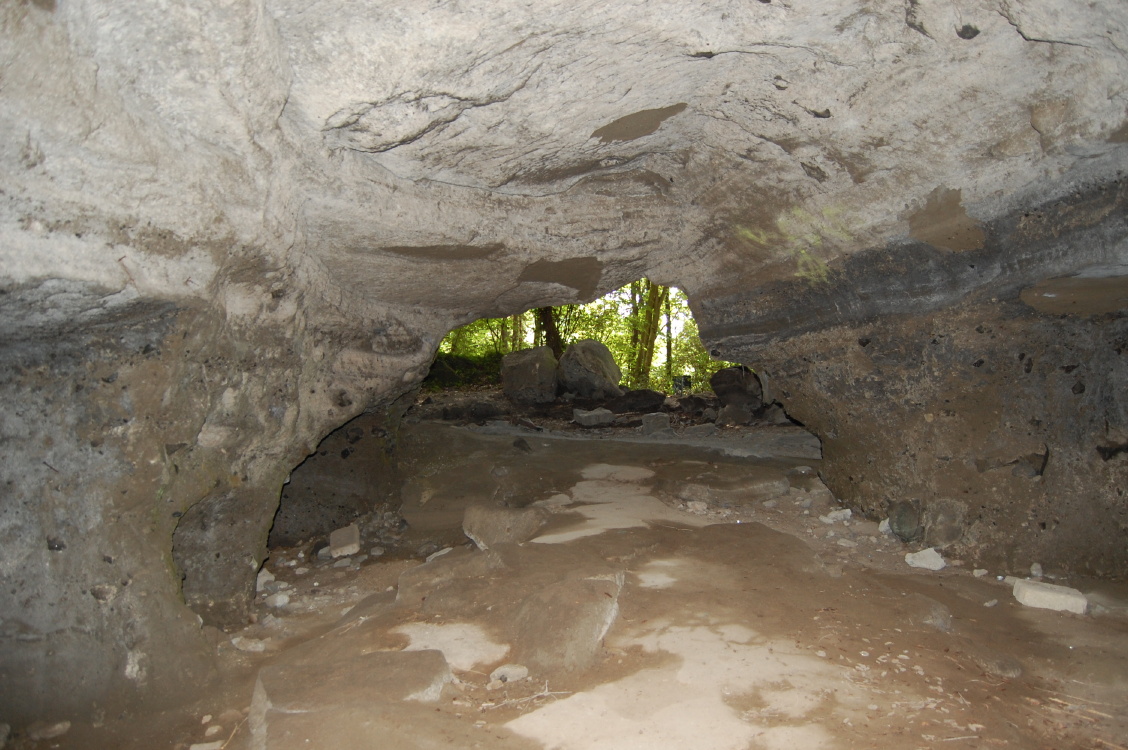
The second attraction is the presence of the caves (artificial), refuges of hermits and brigands of every age (Beware of collapses): approach with prudence and caution. The tuff of Lazio has been dug out, sometimes very deeply, to create truly impressive openings. In some of them we found as many as 2-3 chambers together.
With due caution these caves can be an attraction for children, who on hikes always need to satisfy their need for knowledge and their curiosity.
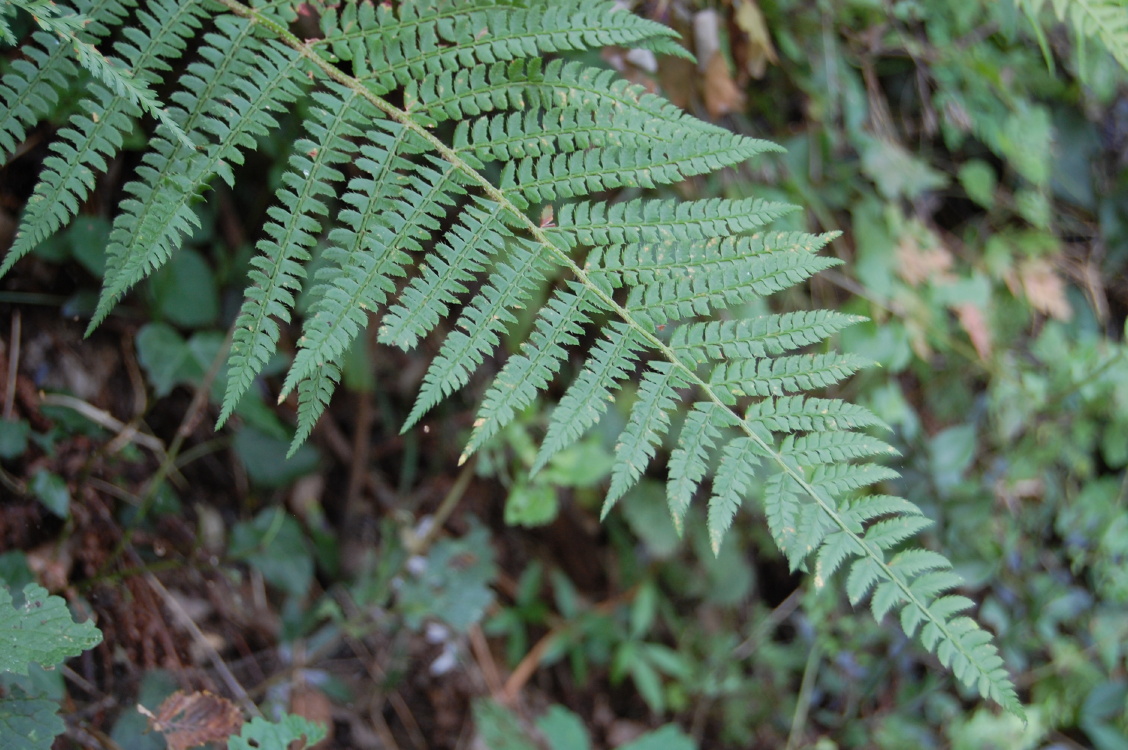
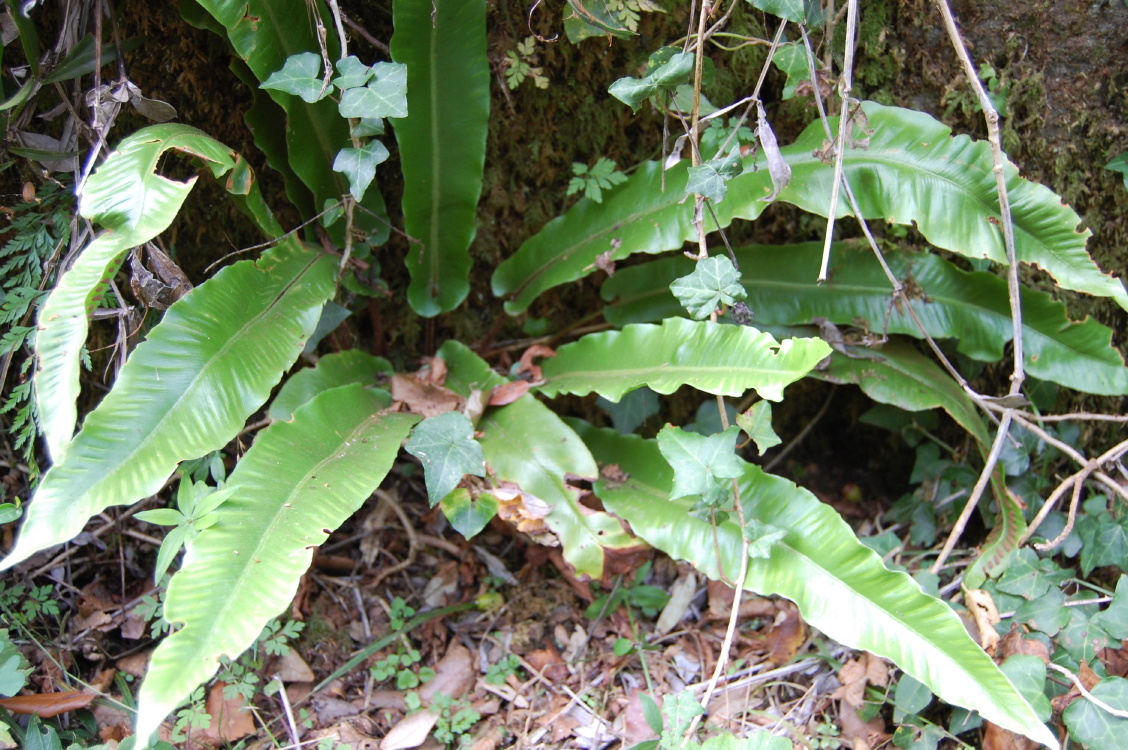
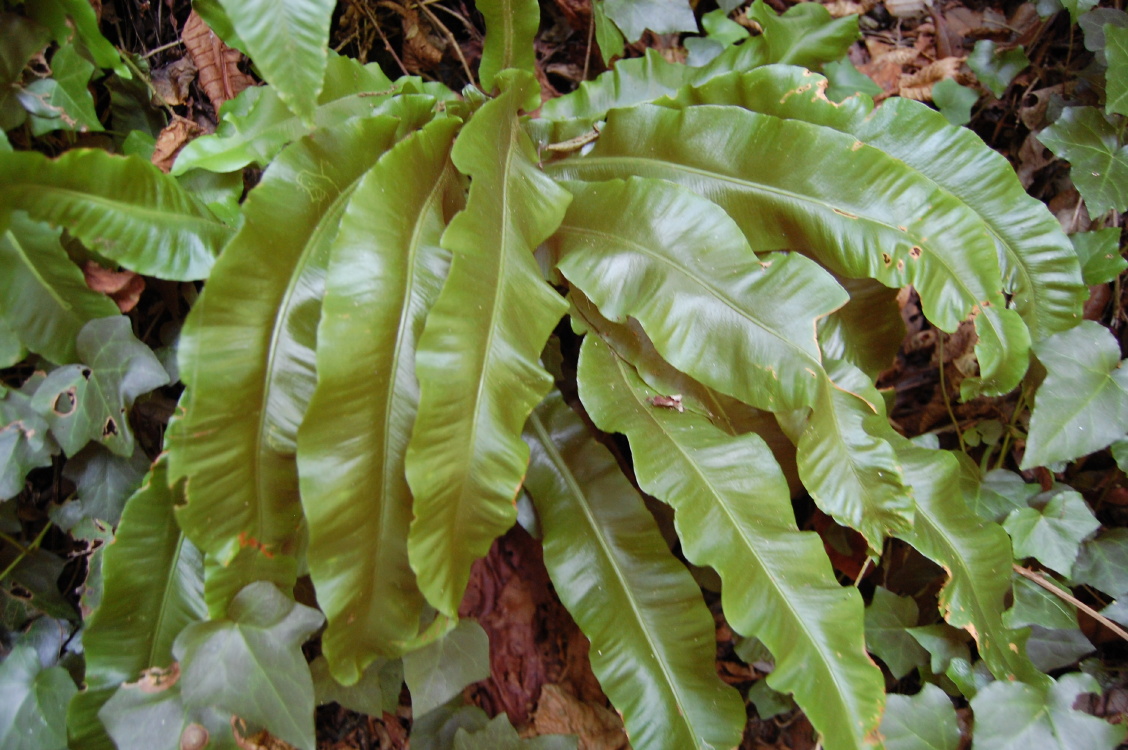
Last but not least among the attractions is the vegetation typical of damp areas, such as ferns and maidenhair ferns, plants we are not used to seeing so commonly in the high-altitude beech woods.
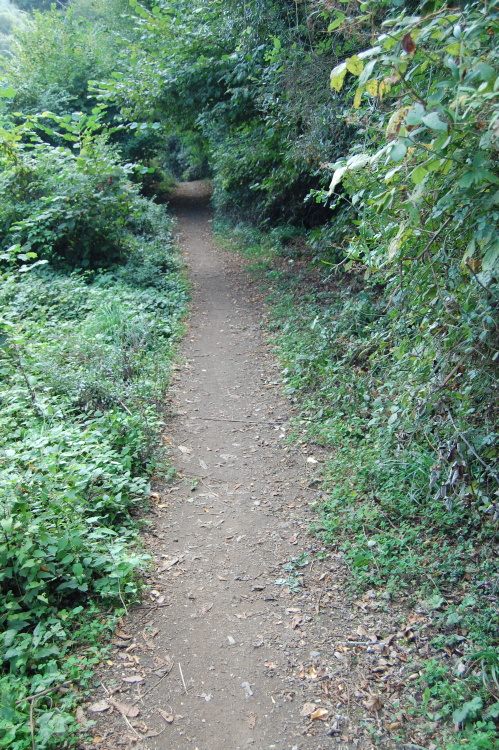
The route winds along mostly on the level, except for the odd very slight up and down.
Water at some points along the route.
Depending on the fitness, the laziness and the agility of the children, the route can be completed, there and back, in about 3 hours at most.
A hike suited to spring and summer, since it is in any case a route that runs through thick woodland.
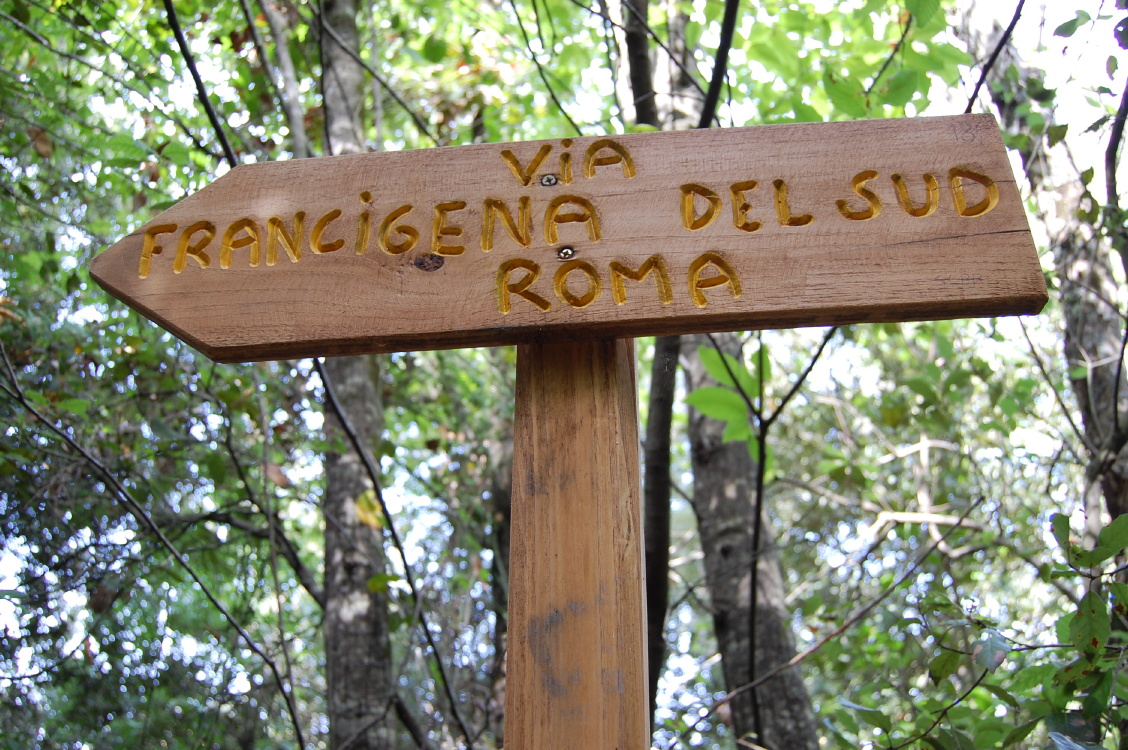
WARNING. Along the route you will come across many side paths going down towards the lake; they are smaller paths. As a general rule always keep to the right (that is, up high) without ever leaving the main route. A second fork at about 2/3 of the route takes the hiker back to the road. On the way back remember to follow the arrows for the Via Francigena del Sud.
No technical difficulty; the classic bottle of water is recommended even though the hike is completed in a short time.
The same path can be ridden by mountain bike, so much so that on Sundays, holidays and the days before them you may meet heavy traffic of bikers all along the path. Pay attention and talk loudly to make yourself heard.
An ideal route also for those who have dogs and cannot do without long walks with their animal friends.
Frequently asked questions
How long does the hike from the Convento dei Cappuccini to Palazzolo take?
The fact sheet gives about 3 hours 30 minutes for 3.5 km, with 100 m of net height gain and 200 m in total. The path follows the upper part of the ridge around Lago di Albano with no significant height gain.
Is the path to the Convento di Palazzolo waymarked?
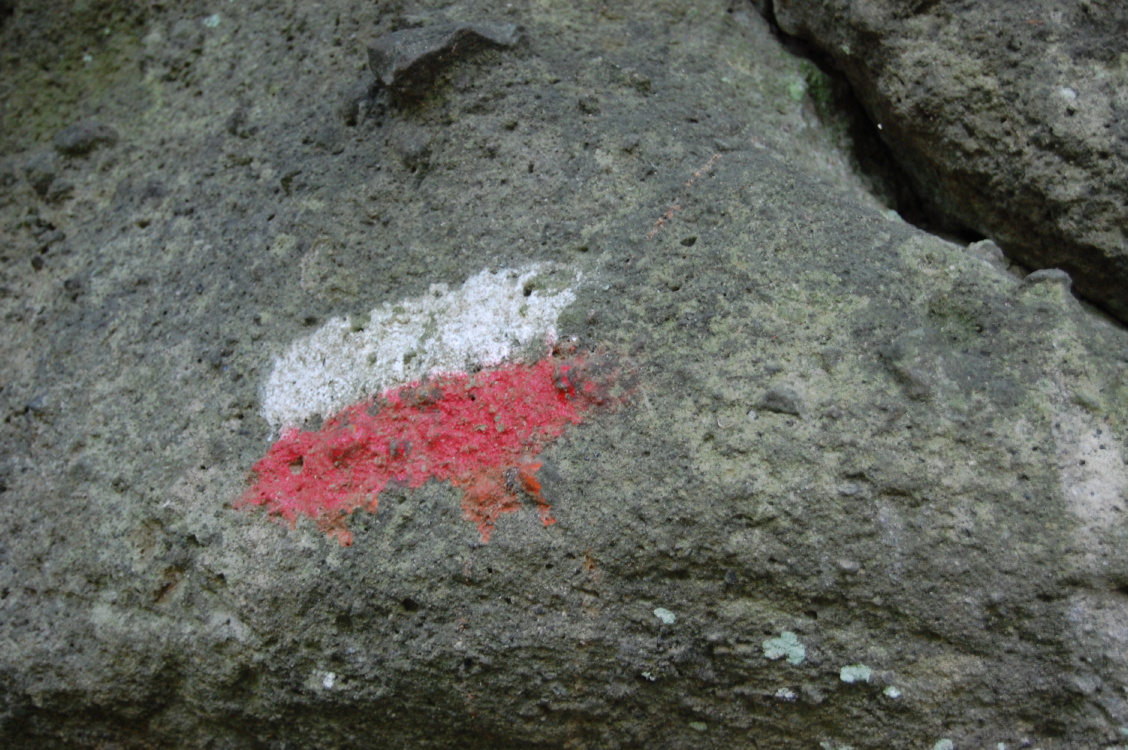
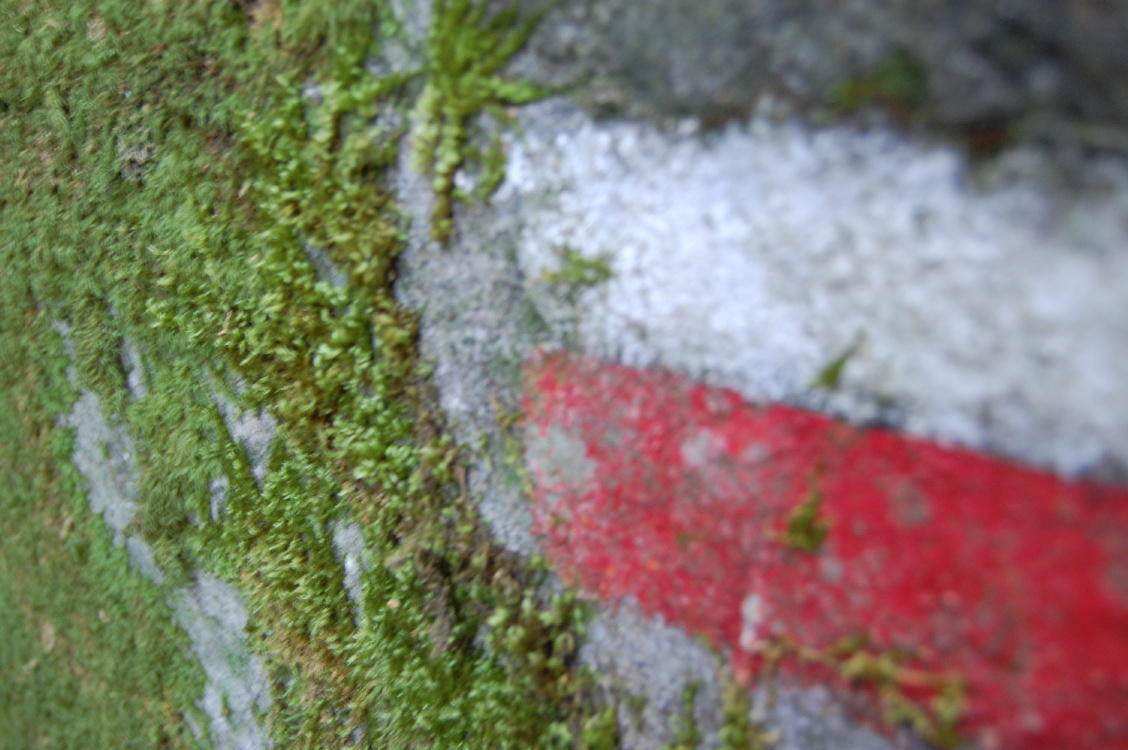
The red-and-white waymarks are few but not needed: the path is clearly visible and free of grass. You walk in a protected area, popular with hikers and mountain bikers, among chestnuts, holm oaks and ferns.