|
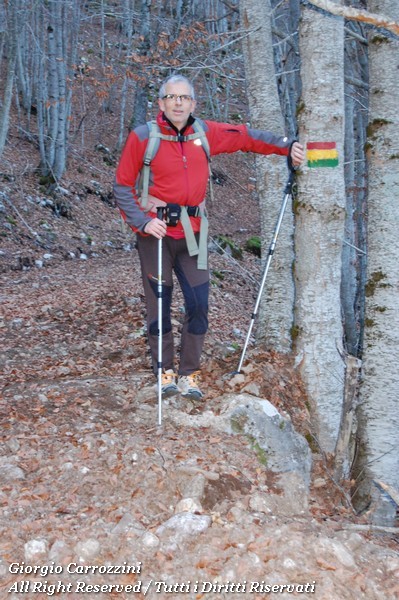
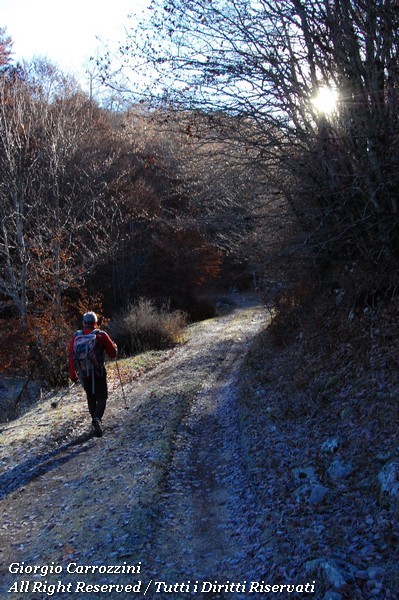
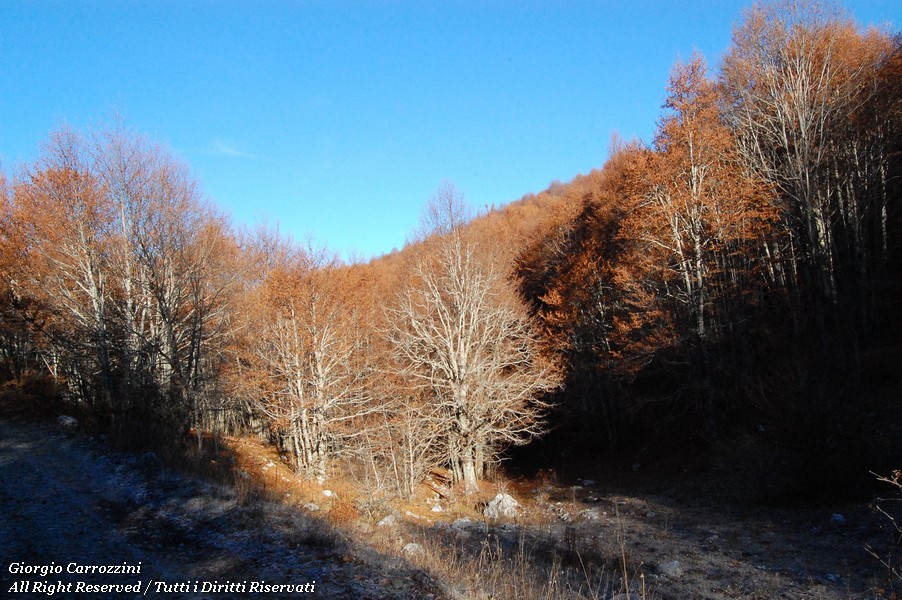
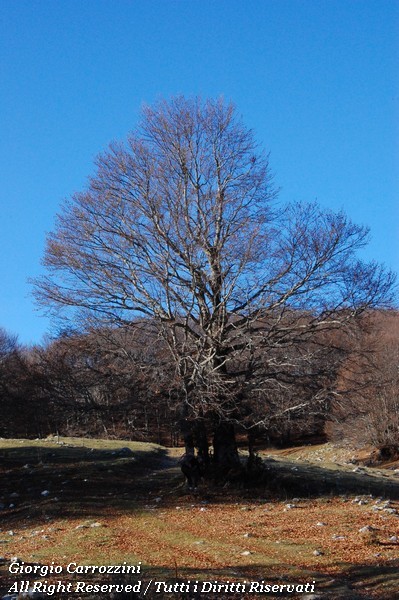
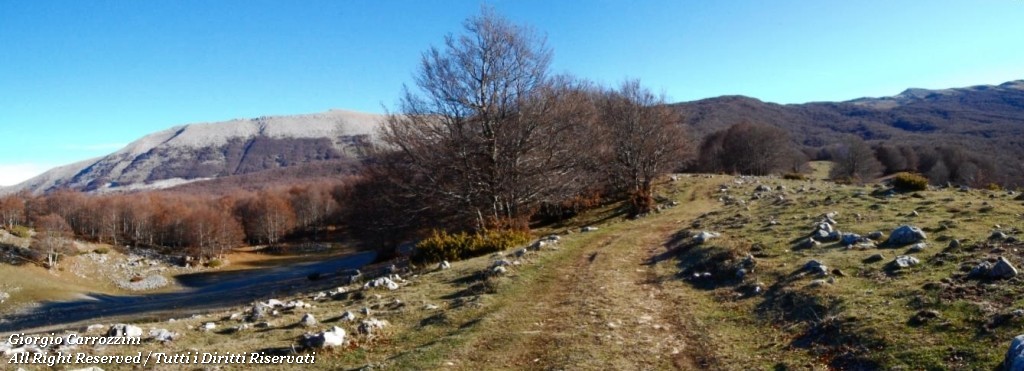
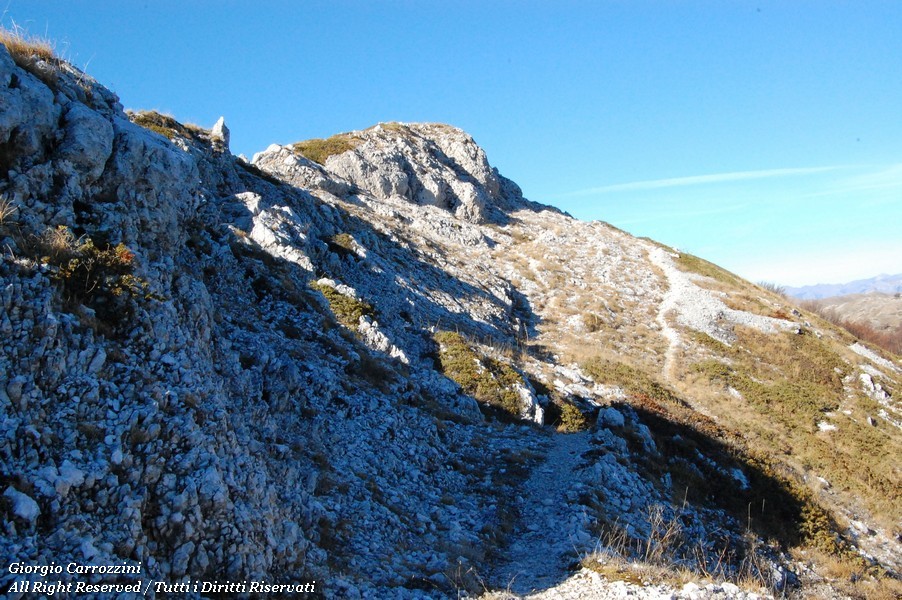
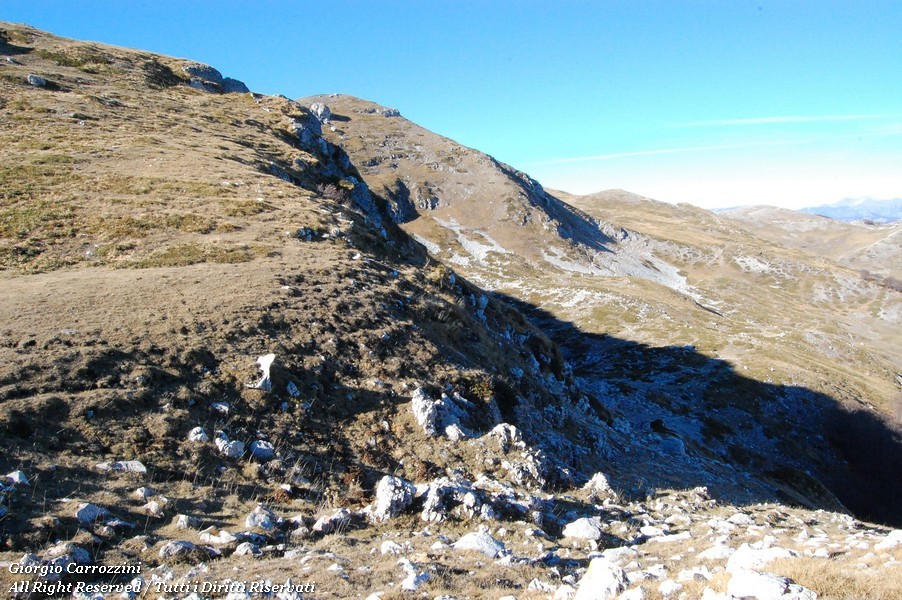
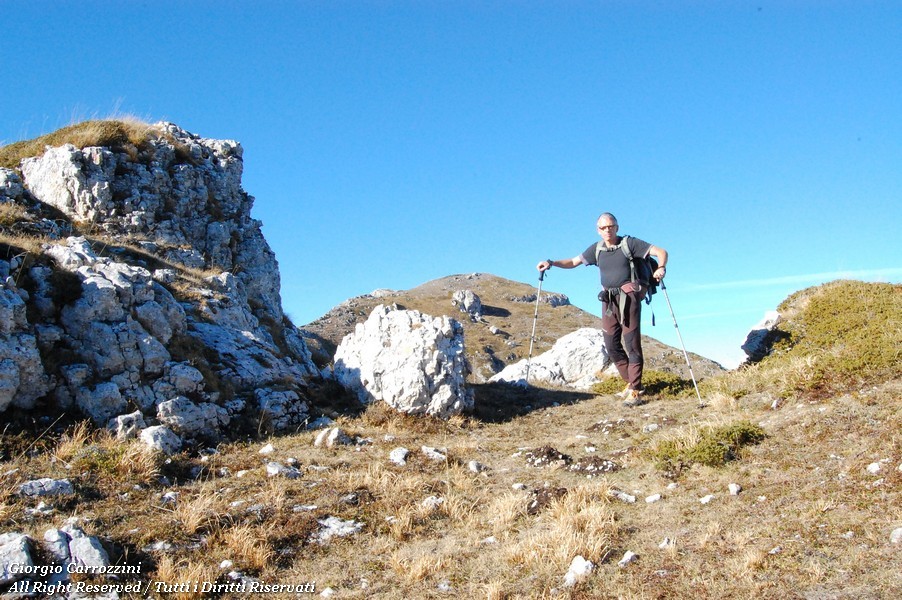
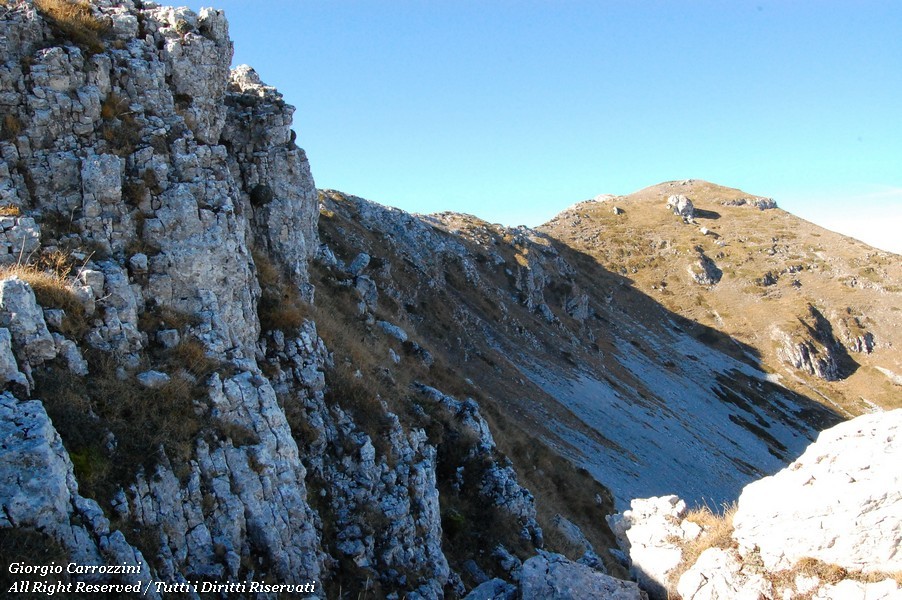
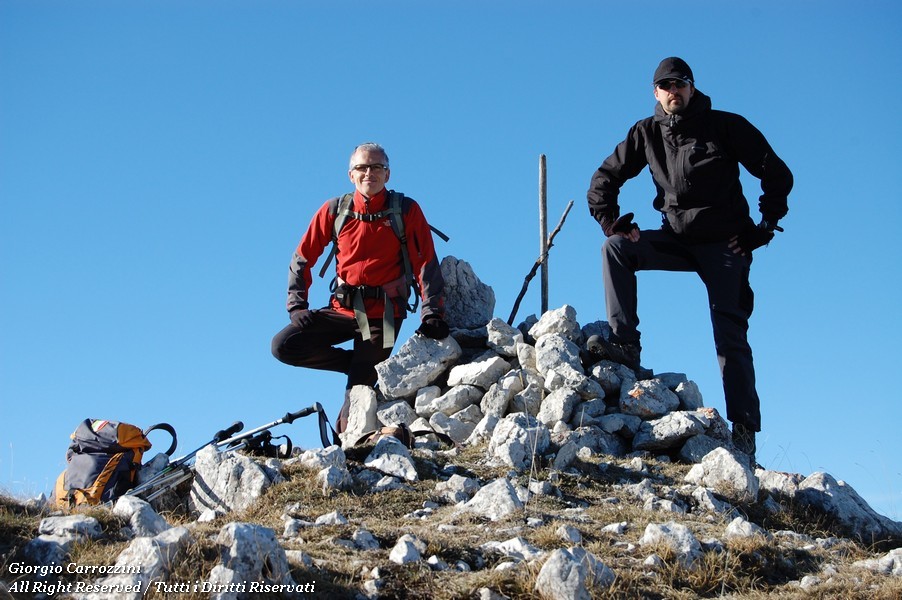
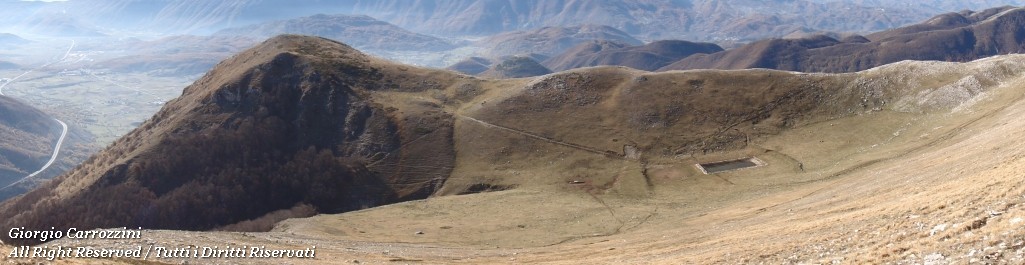
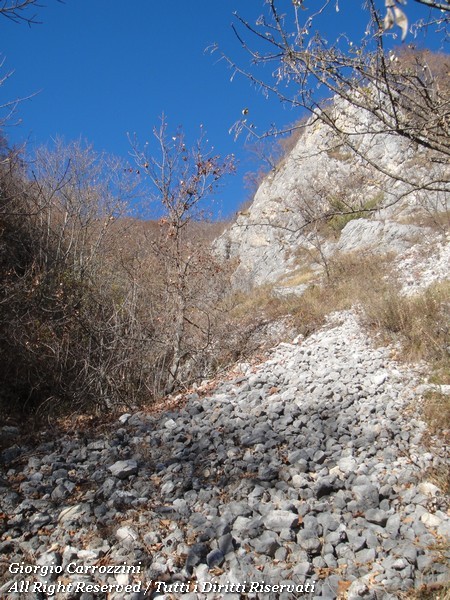
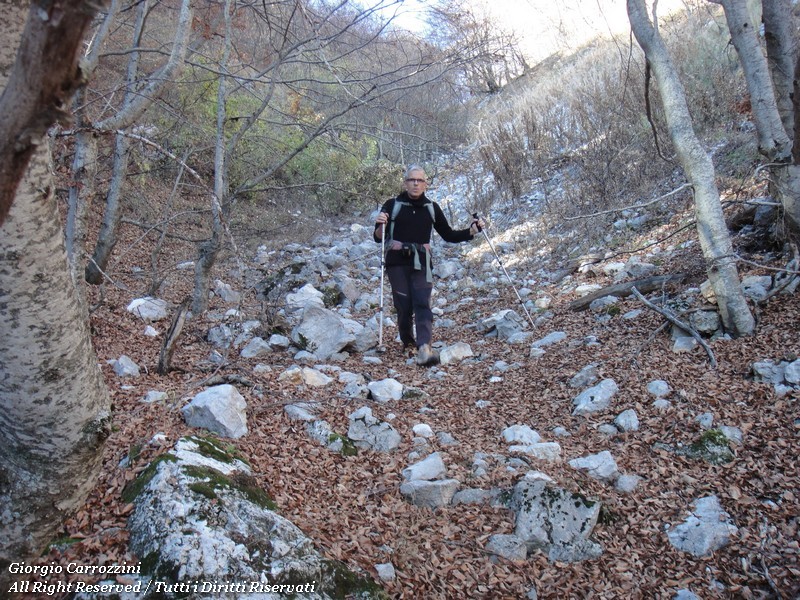
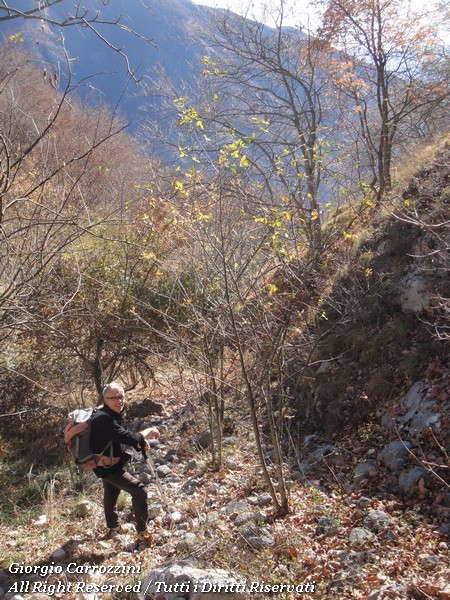
Talk about a lucky day.... The premise, as always, is the sun, especially in autumn when the cold is already biting and the days are short. It's essential to have a warm hand on your shoulders to keep you company... The ingredients for an excellent hike are few: a good landscape and a mountain to discover, but above all excellent company. And when, to prepare the hike, all you have to do is knock on your neighbour's door, then everything is even easier. The hike up the Valle Amara is to take us up to a place that has always been very dear to me: the century-old beech woods of the Prato di San Rocco, known on some maps as Prato di Ceraso. We walked in the rain without hurrying, enjoying the scents and colours of autumn. Definitely a place to visit with children; I talk about it with Massimo, who also dreams of the moment when he will start introducing his little Lorenzo to the mountains. In fact the Valle Amara can be walked perfectly well up to the meadows of Ceraso without any technical or route-finding problems. The dirt track goes practically up to 1500 m without any particular damage. With a bit of effort children can easily walk the five kilometres from the cars to the meadows of the Cerasolo in a couple of hours. We'll find out at home that, rather than a Bulgarian flag, it is in fact the Bolivian flag... all the more reason why that flag would have suited the rest of the hike too. The walk up the Valle Amara, which is on a dirt track, is so quick that in less than an hour and a half we find ourselves at the Mercaturo, the bend where there is still the sign pointing to the start of the Valle dell'Asino. Back then fog caught us high up and we decided that a little heap of stones simply had to be the summit; a pity that our estimate was out by a good 400 metres. My exasperated intellectual honesty requires me to come back to this summit to check whether I have really been there. Talking with Massimo about this habit of collecting summits, I discover that we share a cultural background with some similarities. He tells me how, when he started climbing, he would stay just below the summit for about ten minutes, practising the exercise of not setting foot on it. It's about the capacity for “renunciation” and “detachment” from the morbid urge to possess a summit. It's a difficult concept. Western cultures tend to take possession of the things of the world... even the very idea of collecting summits is a way of believing that you have taken possession of the mountain. But what does it mean, what does it really mean... in fact it's a false sense of possession. Anyway, to cut a long story short... we say all this to each other in a couple of words, because we're certainly not in the mood to philosophise too much. I know Massimo used to practise yoga, and this tells me about his inclination to make certain reflections on existence. Funny, because it reminds me of a question a friend once asked me, whether I went to the mountains for athletic and sporting reasons or for essentially philosophical ones. That was certainly my main motive. Mind you, the physical activity you do in the mountains has no equal. You walk for 5-6-7-8 or even 10 hours; when you get home you feel wrecked but also free of tension and in great physical shape. We reach the summit of Monte Cava, happy to have discovered that even a great rounded hump like this one can have its own scenic interest. The last stretch involves a short up-and-down over a high meadow and a final steep pull that we certainly hadn't walked a few years before. At the top the wind is cold and blowing from the north. We hide among the small rocks to eat a sandwich quickly and start straight back down. The sweat quickly freezes on our skin; better not to stay exposed to the summit wind. For the descent we decide to take the direct route that passes below the hill “Il Cocuruzzo” (1794 m). Level with the saddle linking Monte Cava and Cocuruzzo you can clearly make out a small gully, “Il fosso del Cerreto”. This is where our real Bolivian adventure begins. The Fosso del Cerreto comes down exactly near the San Rocco hydroelectric power station, right where we had left the car. The choice of taking the shortest way down will turn out to be full of surprises. The gully, although not too crowded with plants, brambles and brushwood, is still an awkward place to move about in. All you would have to do is follow the bed of the gully down to the power station and job done. But when you have to thrash about among the brushwood, the sticky ivy, the stones hidden under twenty centimetres of dry leaves, when you have to go first under the branch, then over the trunk, stop your rucksack getting caught in the branches, push aside the thorny bushes so as not to tear your jacket... well, this feels for all the world like an experience in extreme lands... a sort of Bolivian route, or rather an Amazonian route, an equatorial jungle, a virgin forest... wild, in short, even if you're less than 500 metres from the motorway. Among the brushwood we even seem to catch the smell of truffles.. it's a fully bucolic experience. So bucolic that we end up coming across a plant we'd like to mistake for marijuana. Maybe it's just some Dentaria or another weed with no properties at all. All that's missing is to come across wild strawberries... - Did you bring the little basket? It's one joke after another; it's that carefree, cheerful way typical of Massimo, a unique lightness that makes any hike simple. Even the most tangled vegetable thrash. True enough, our boots are itching... In the wood managed by the local commons, a network All things considered... I don't know... if I had to recommend a climb up Monte Cava from the San Rocco power station … well, I'd say the route is only partly waymarked and certainly isn't comfortable... but we're certainly not people who want to be comfortable... otherwise we'd have stayed at home watching the football... wouldn't we? |
|
|
|
|
Photo gallery
Fact sheet
- Hike fact sheet
Fact sheet not yet available...