Whether or not you do any sport, it would be a matter of common sense to have a regular, balanced diet.
For those who want to take up activities such as “mountaineering”, “ski mountaineering”, “high-mountain hiking”, “trekking” and the many others you can do in the mountains, it's a good idea for their diet to be properly controlled.
Carrying your own weight around can only make a demanding hike more painful; it's best to arrive in the mountains in the leanest physical shape possible.
Those who decide to prepare their body with training (even if not at competitive level) should follow some common-sense rules in their daily diet.
The athlete's diet must provide an amount ranging from 3000 to 3500 kilocalories, depending on the type of sport practised but above all on the type of training followed.
You can work out the calories in food roughly using tables that give calorie values by type of food.
As we were saying, at non-competitive level there's naturally no need to go to the extreme of counting the calories you take in at meals. What is important, instead, is to know a few basic rules for eating properly.
Meals should ideally be four: breakfast, lunch, afternoon snack, dinner. Avoid constantly eating small meals, since the stomach also needs its proper rest. Better a few meals, not too large in quantity, keeping an eye on the quality of the food.
Breakfast
We've slept all night; if we went to bed right after dinner we probably didn't manage to digest our food completely, and if we had too big a meal we'll certainly feel heavy and won't have much desire to eat.
You have to break this vicious circle by reducing the evening meal and increasing breakfast. During the night, in fact, the stomach has to rest while the rest of the body is busy cleansing itself of the toxins of waking activity.
After about ten hours the body again feels the need to refuel. That's why breakfast is the most important meal of the day. It should provide 25% of a whole day's calorie intake. It sets us up and gives us the first energy to face a working day.
Foods to favour are those based on:
- cereals (fibre and carbohydrates);
- milk, yoghurt (proteins and fats);
- fruit (fibre, vitamins and water);
For the reasons above, remember not to stop at the usual coffee, or cappuccino and cornetto, believing you've had a good breakfast. You also need to take in liquids: there's nothing more obvious than suggesting a couple of glasses of water, or else some fruit juice. It gets the kidneys moving and thins the blood.
Lunch
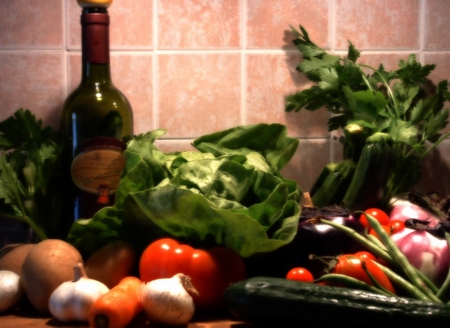
This is a substantial meal that provides the largest share of the day's calorie intake (35%). It includes three or four courses, ideally made up of different types of food.
It includes foods based on:
- meat, fish, pulses (which provide amino acids and proteins);
- pasta or rice (they provide carbohydrates useful for energy);
- vegetables and fruit (vitamins and mineral salts);
- cheese (fats, proteins, calcium) and/or dessert.
Afternoon snack
It provides 15% of the day's calorie diet. It's a meal similar to breakfast, made up of the same foods but in smaller quantities:
- cereals (fibre and carbohydrates);
- milk, yoghurt (proteins and fats);
- fruit (fibre, vitamins and water);
Dinner
It's a very different meal from lunch, providing only 25% of the daily calorie requirement, and it should be made up of light, easily digestible foods:
- pulses and vegetables;
- leafy greens;
- lean cold meats, eggs;
- fruit;
Within the overall diet it's essential to remember not to drink during main meals such as lunch and dinner; it's always better to hydrate before coming to the table (half an hour before). Most of the time this avoids blocking digestion with too much liquid in the stomach.
Finally, drinking between meals is also essential: ideally you should set yourself to drink at least a litre and a half of water a day, something we always forget to do.
During the meal half a glass of wine is allowed, which is an excellent eupeptic (that is, it aids digestion) and contains anthocyanins and flavonoids that help keep the heart in good shape.
For what to carry in your rucksack on the day of the outing read nutrition during hikes.