The Italian mountains offer endless possibilities for hiking, mountaineering and climbing ... for an alternative holiday you only need to travel a mere 250 kilometres as the crow flies from Rome to find yourself in Corsica, an astonishing land full of surprises.
It is a varied land with archetypal features and a prehistoric, ancient look. Geologically, Corsica and its mountains have the same origin as the Apennines and the Alps.
|
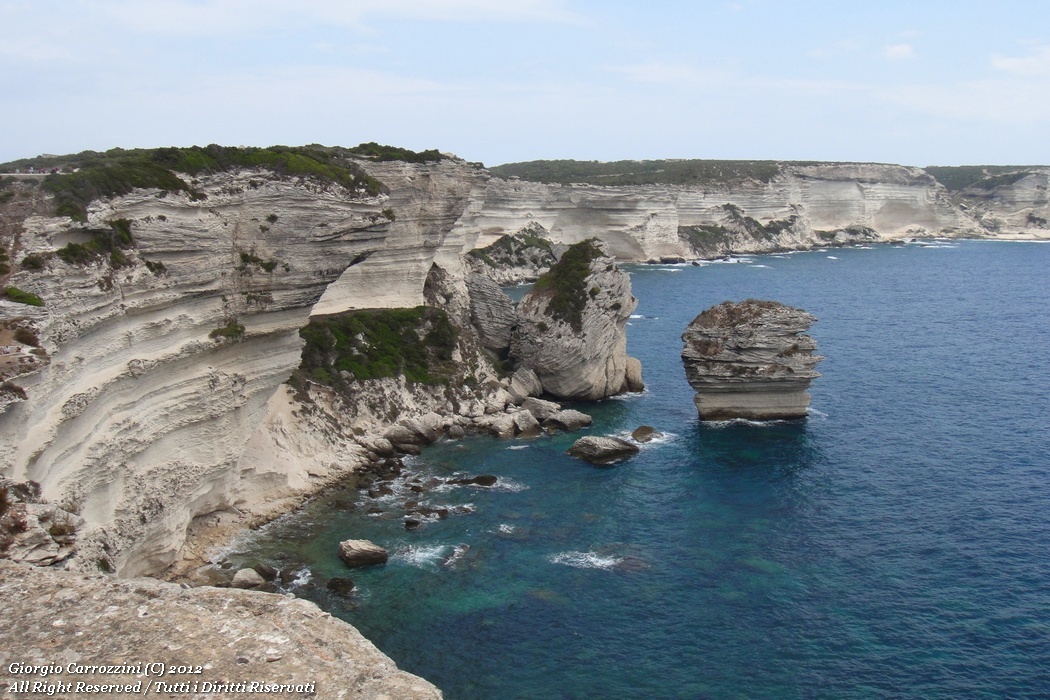
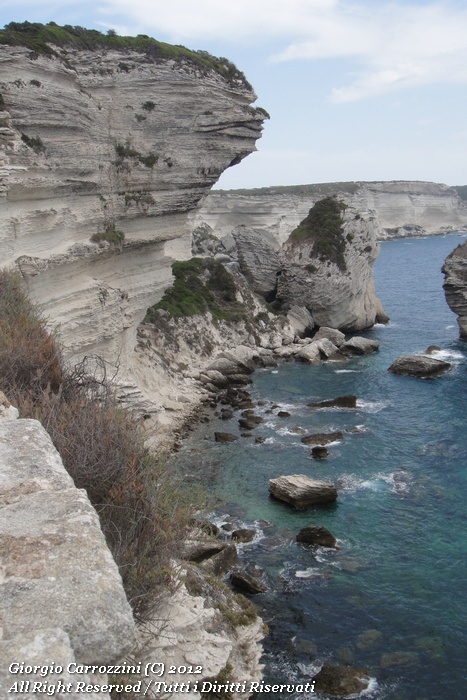
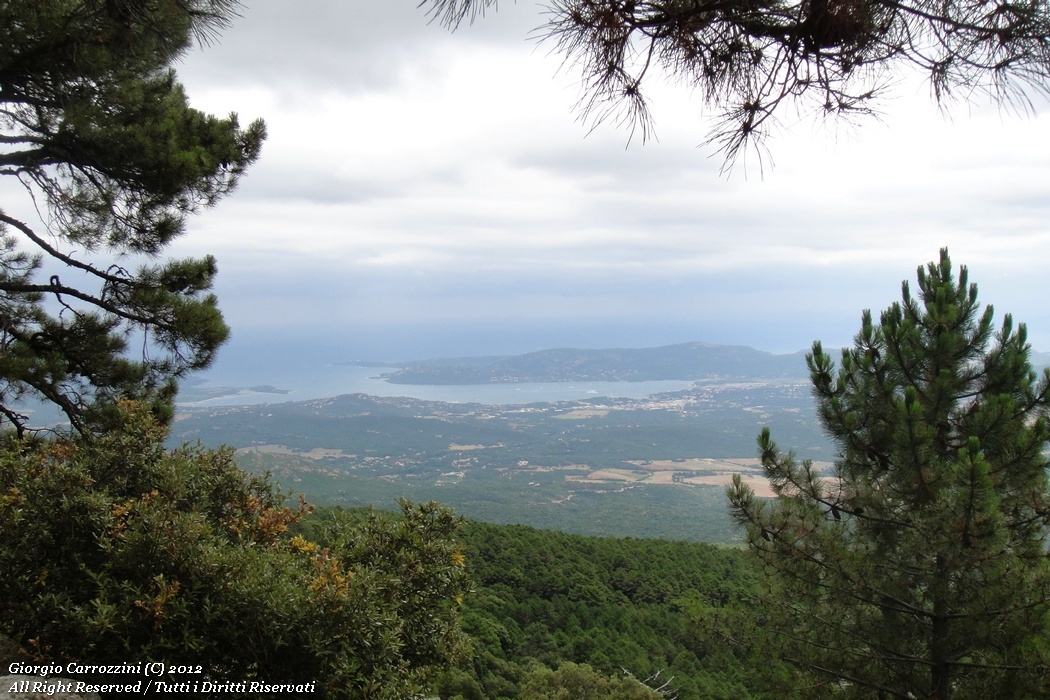
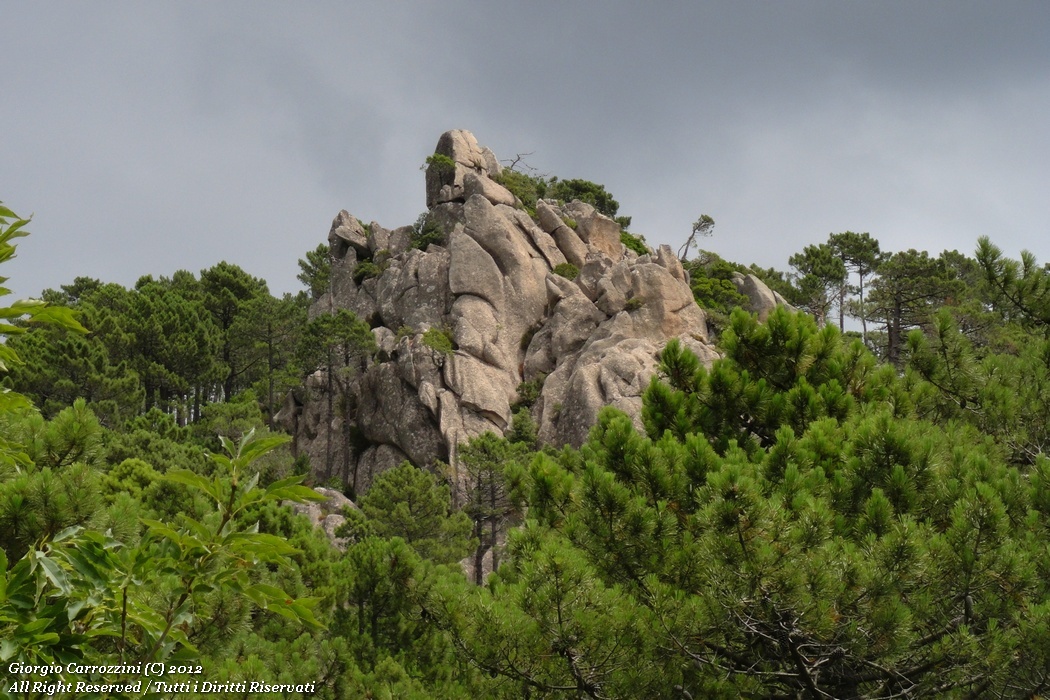
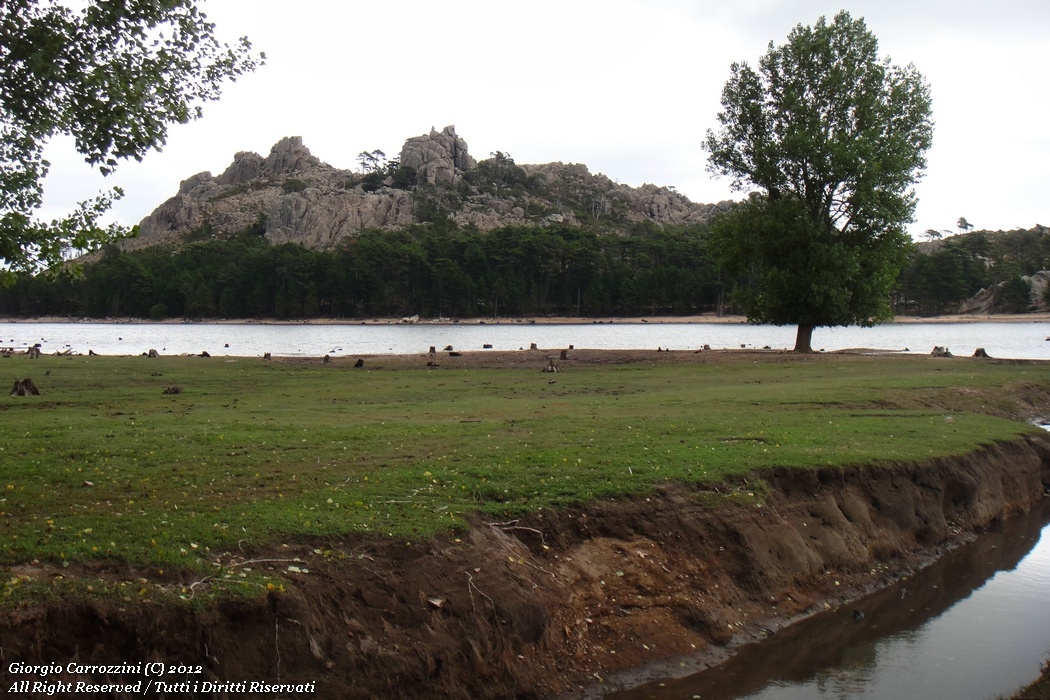
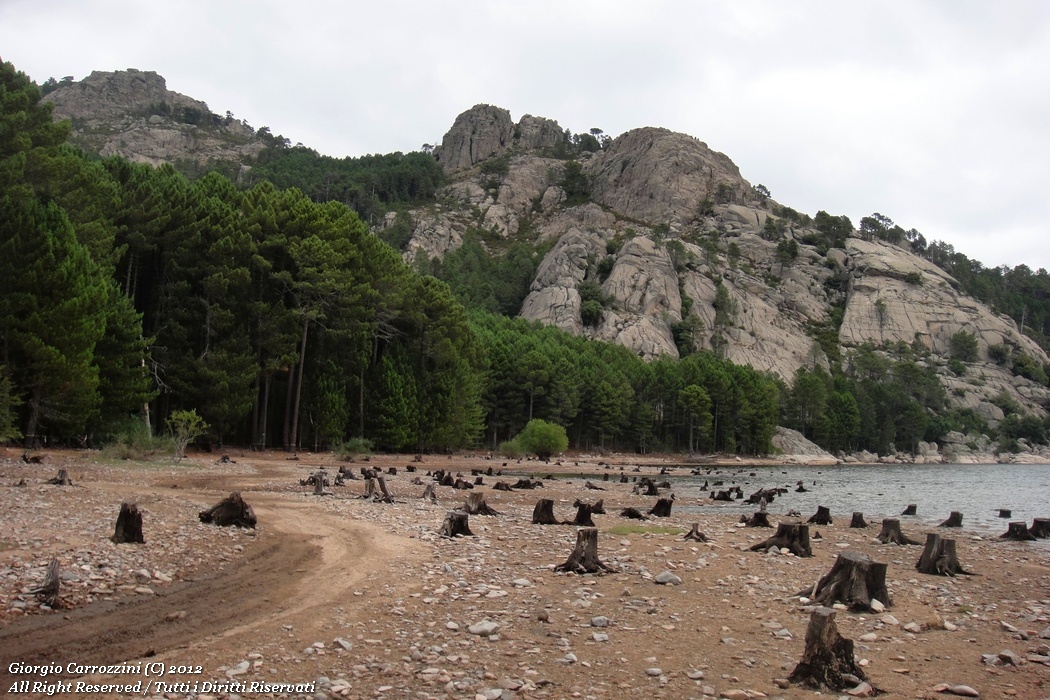
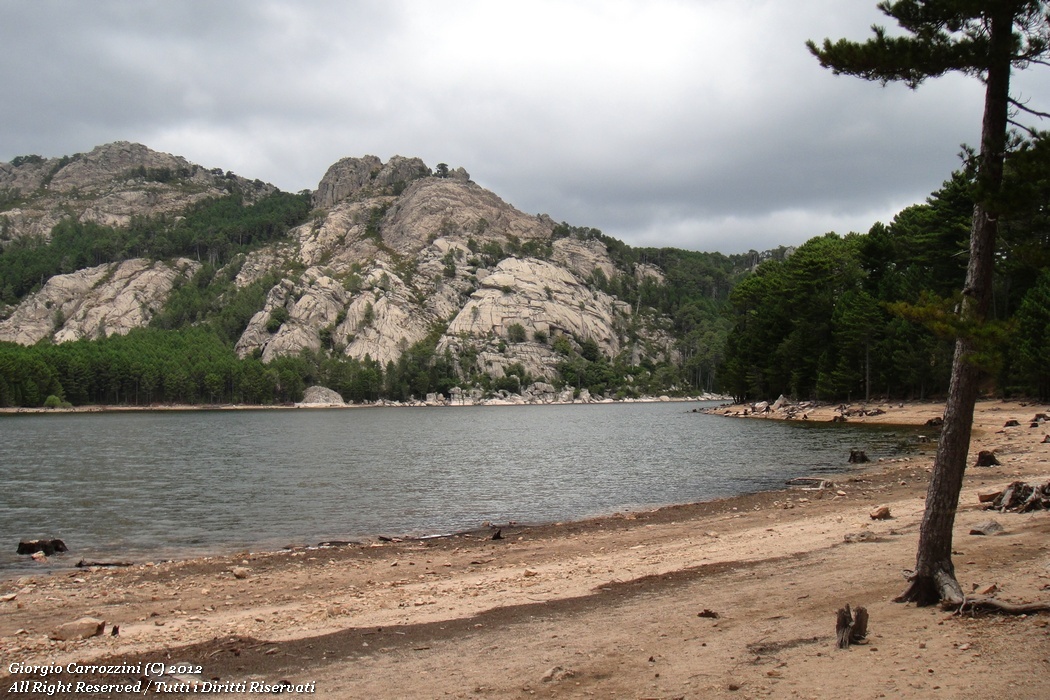
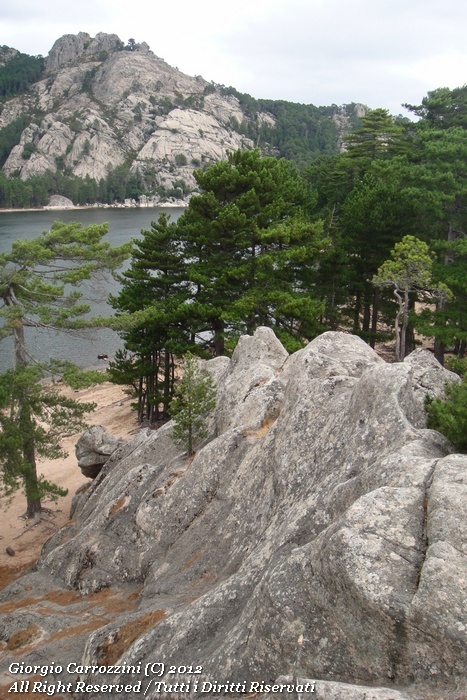
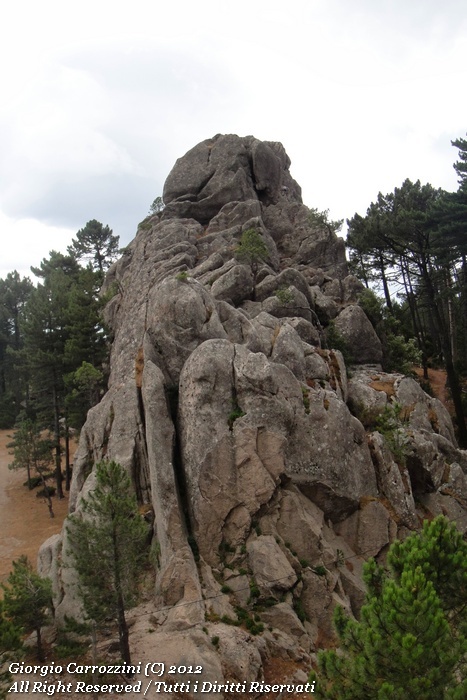
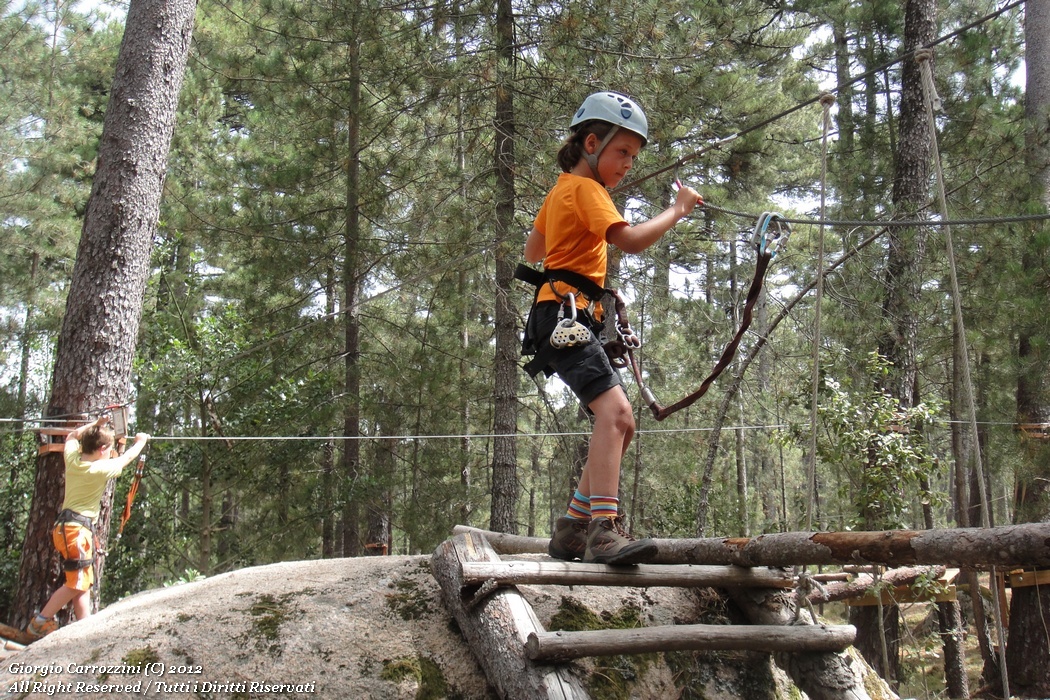
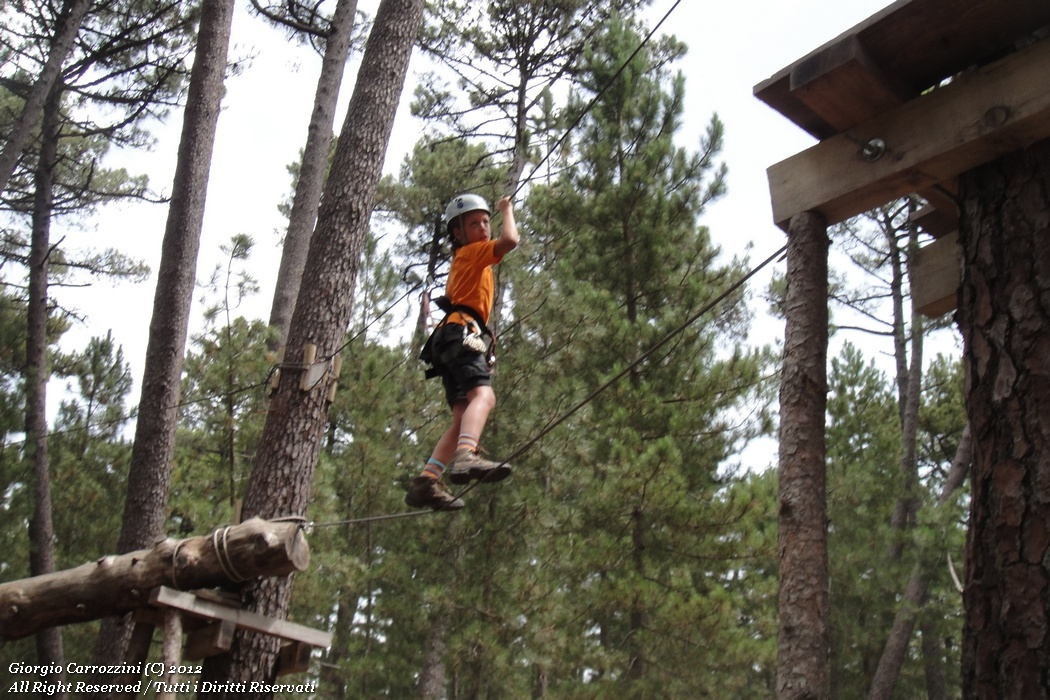
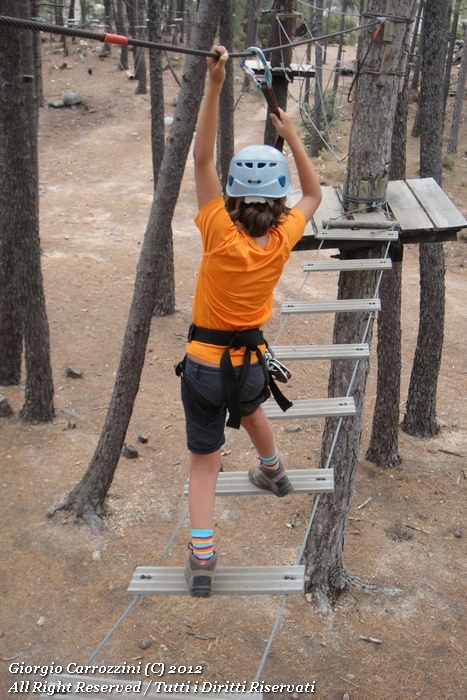
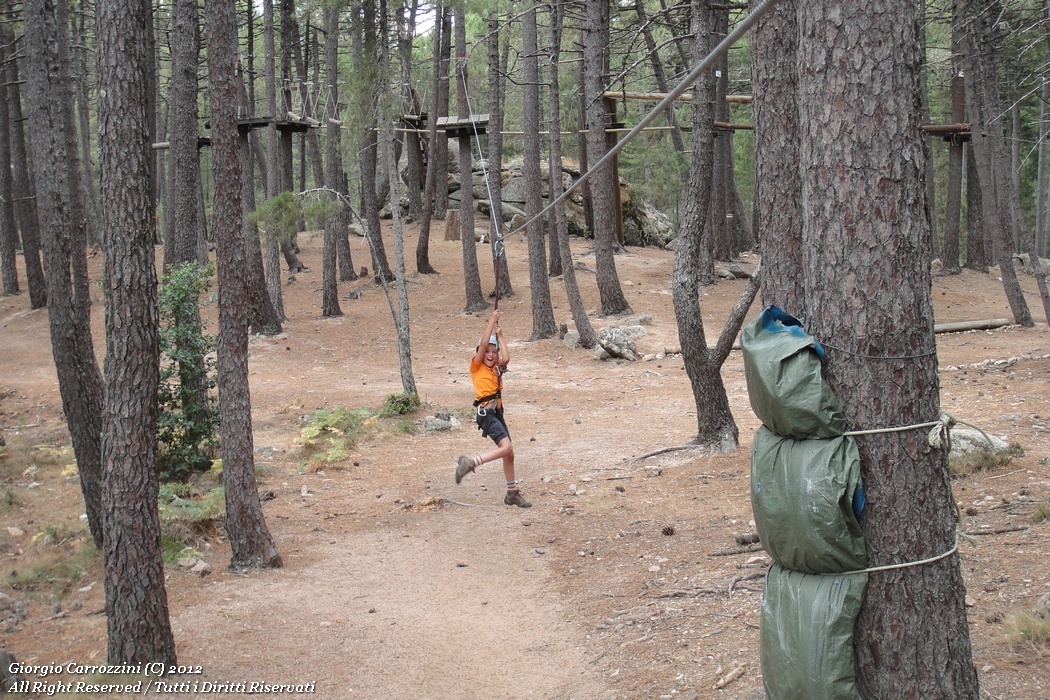
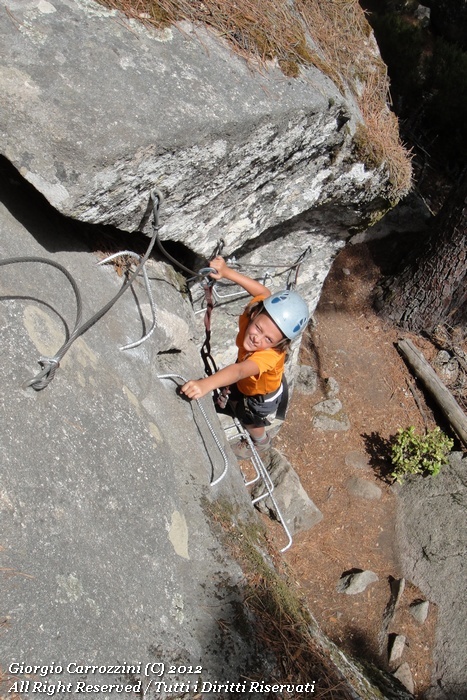
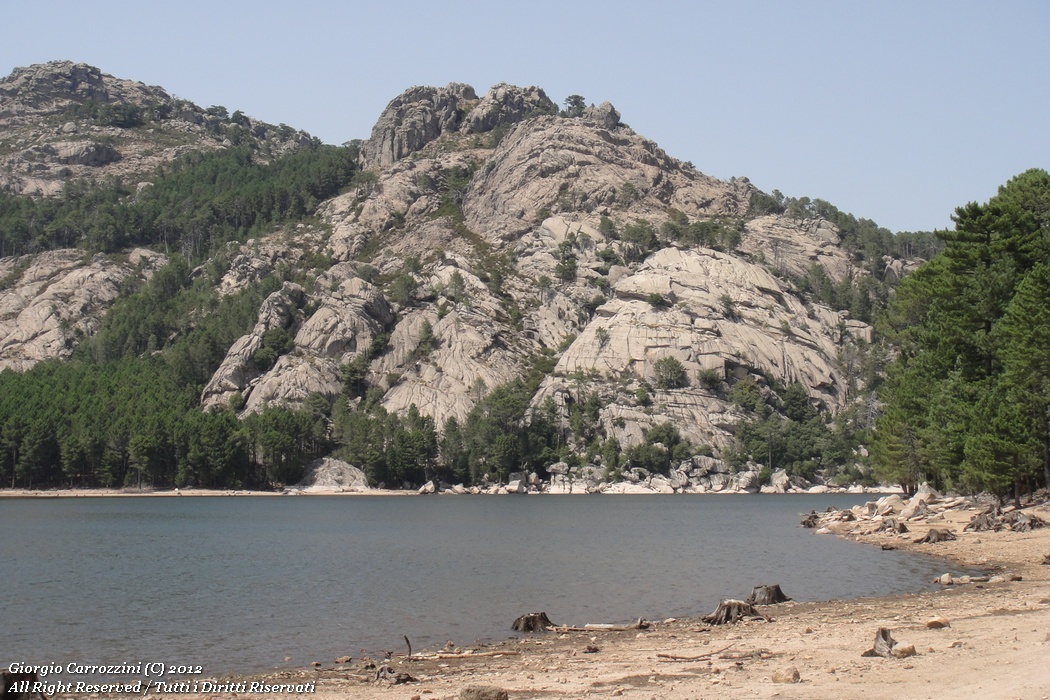
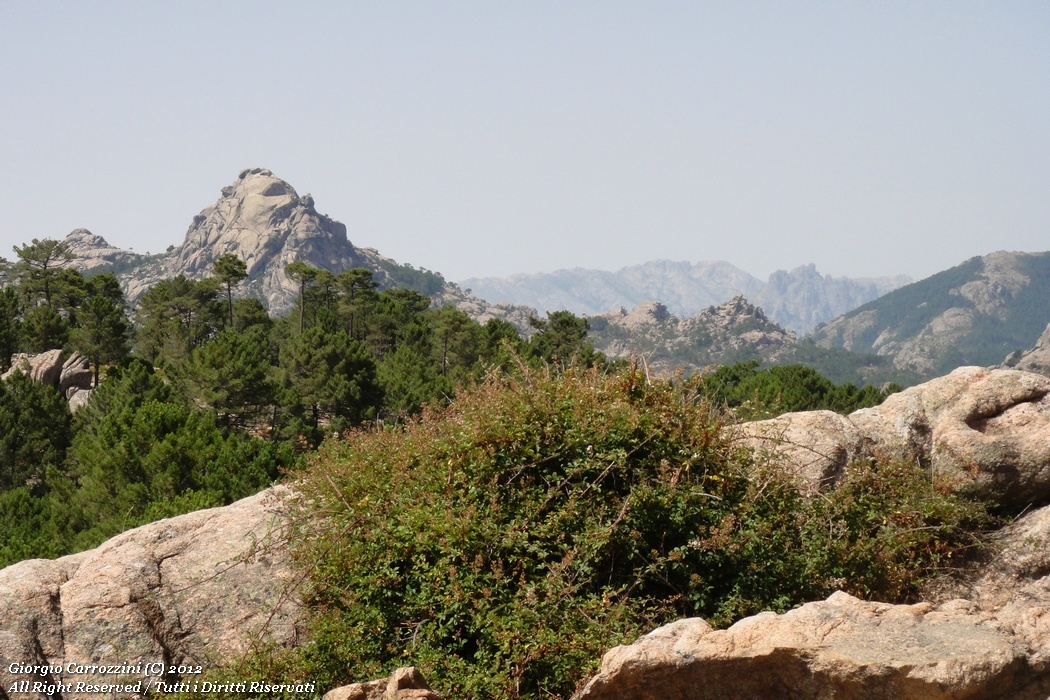
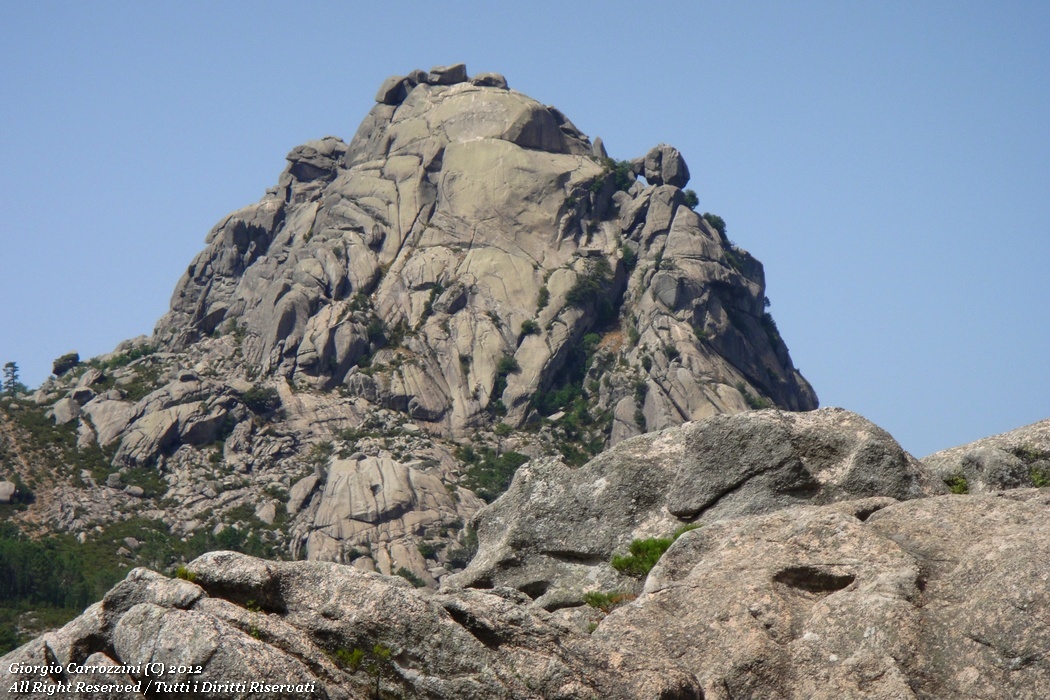
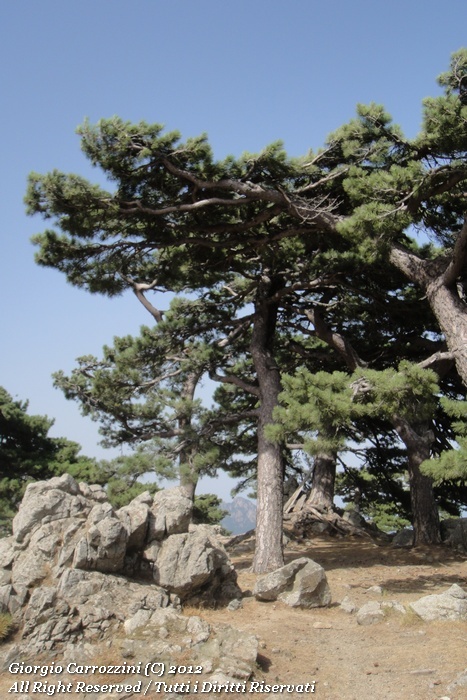
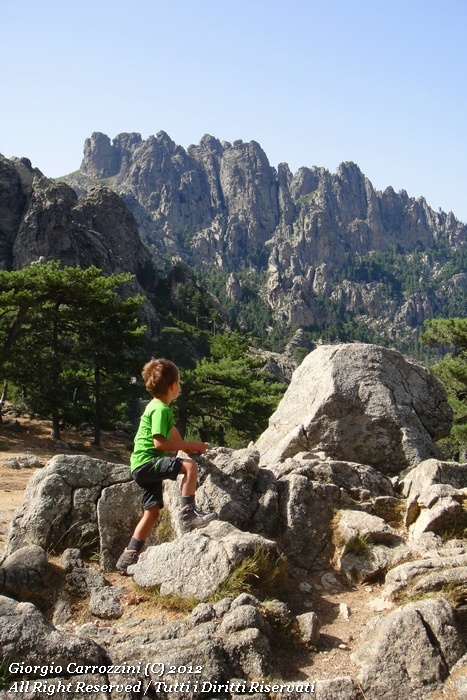
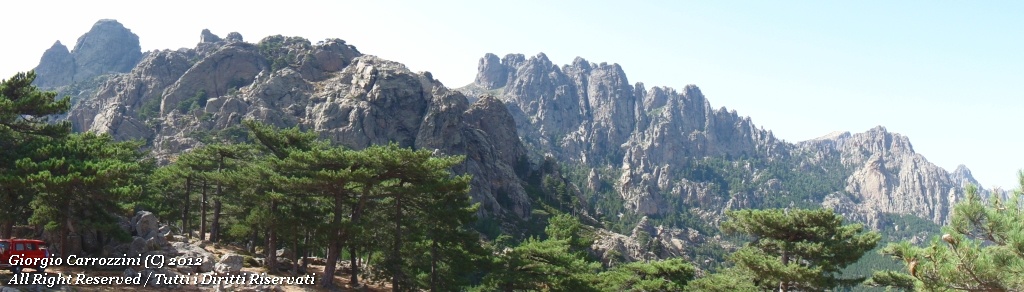
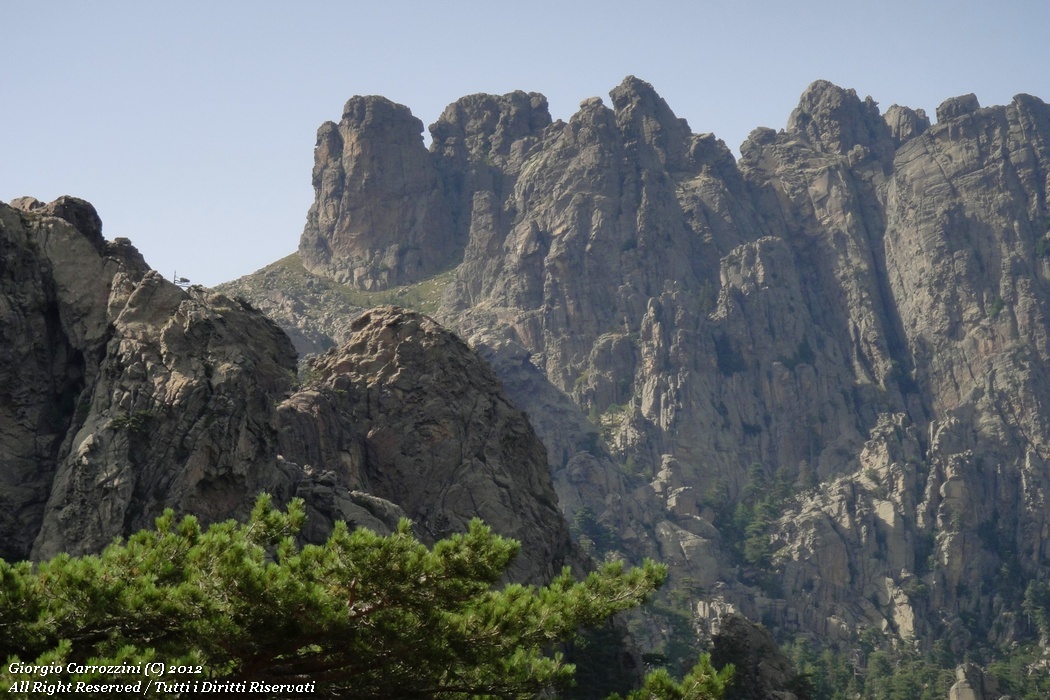
Roughly speaking, the African tectonic plate pushes the Eurasian plate upwards, triggering the uplift and rotation of the lands of the Mediterranean: Corsica, Sardinia and the whole of Italy. From a tourist's point of view it feels like being in the Dolomites, but in the middle of the sea. The Corsican mountain range stretches from north-west to south-east almost without a break. Corsica is a hikers' paradise, known perhaps for its most famous GR20 route, a route to be done in twenty stages and twenty days. Corsica offers endless possibilities and a network of excellently maintained routes. Hiking routes over hills and heights that drop sheer into the sea. High mountain routes and a network of huts you can rely on for more demanding treks. For summit collectors, for peak hunters, the highest summit reaches no less than 2706 metres. Corsica can also be a paradise for free climbers, mountaineers and canyoning enthusiasts as well as for hikers.According to many tourists and hiking guides, one of the most beautiful mountain spots is in the southern part of Corsica and goes by the name of Col de Bavella. It is a mountain pass from which you can enjoy an extraordinary view of the Aiguilles de Bavella. For those who know the central Apennines, the comparison with Monte Prena fits perfectly. Imagine a Monte Prena with the rock of the Dolomites, on which the vegetation of the Pollino grows. On my trip to Corsica I made hundreds of comparisons like this one. It feels like being in Arizona with the sea of Sardinia. Or it feels like being in Calabria, with the mountains and the vegetation of the mountain "garrigue". To get to the Col de Bavella you can take two roads, depending on where you are staying. Either up from Porto Vecchio through the Ospedale Regional Natural Park, or up from Solenzara along the river of the same name. For campers we recommend staying on the coast between Solenzara and the little cove of Fautea. The southernmost area, on the other hand, is swept by constant winds that make the camper's nights rather long and tormented. Consequently we advise campers against the south of Corsica, unless the campsite is sheltered from the prevailing winds. For tourists who can afford to stay in a bungalow, a mobile home or a more comfortable kind of accommodation (hotel, rented house), we recommend the area between Porto Vecchio and Bonifacio. Another extremely fascinating place is the Dominio della Foresta dell'Ospedale, which you reach easily by driving up from Porto Vecchio. A forest where black pines and Mediterranean pines, willows and oaks prevail. At about 945 metres above sea level we find the Lago de l'Ospedale, an artificial lake with a very particular look that makes it a tourist attraction (worth seeing). Finally, a note for young hikers. All over southern Corsica (Lac de l'Ospedale, Col de Bavella, Solenzara river) we found a great many adventure parks, a different and fun way to be in contact with nature and enjoy some thrills with the little ones. For the more willing hikers there is the visit to the Piscia di Gallu waterfall, which you reach with a short 45-minute walk. We can conclude that prices in Corsica are in line with European prices; clearly restaurants and hotels cost a little more than the Italian average, and if you want to save money you will make do with eating baguettes, the wonderful French bread, and the famous French charcuterie with its wide range of cured meats. In short, Corsica can be an excellent alternative to the usual beach-only holidays: the variety of landscapes and nature makes Corsica the right place where the Sea can meet the Mountains. |
Photo gallery
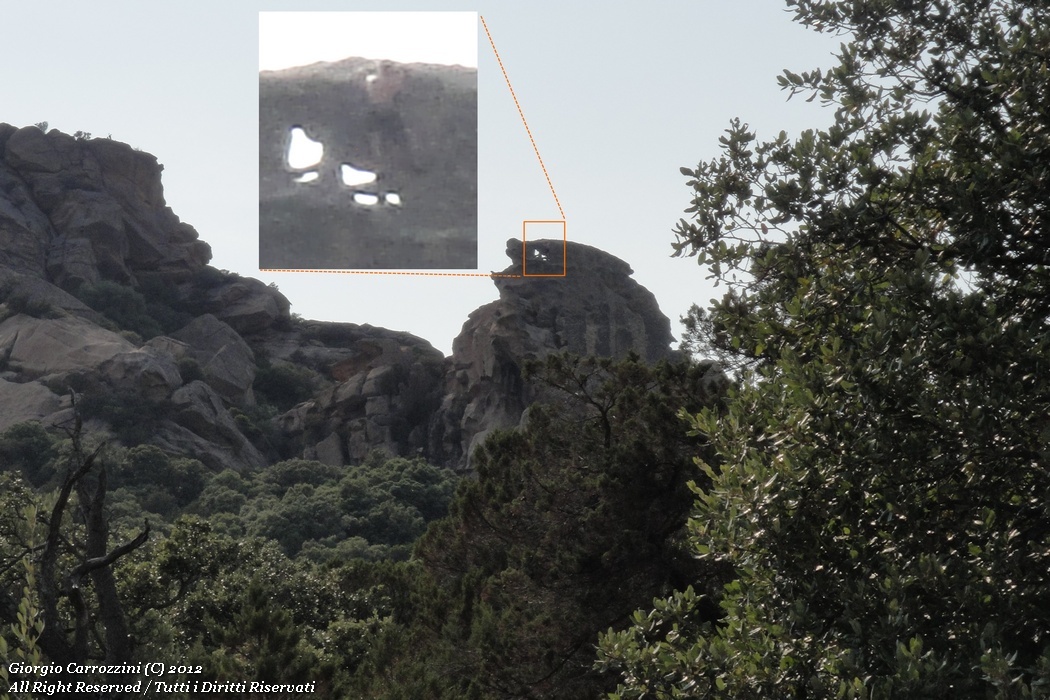
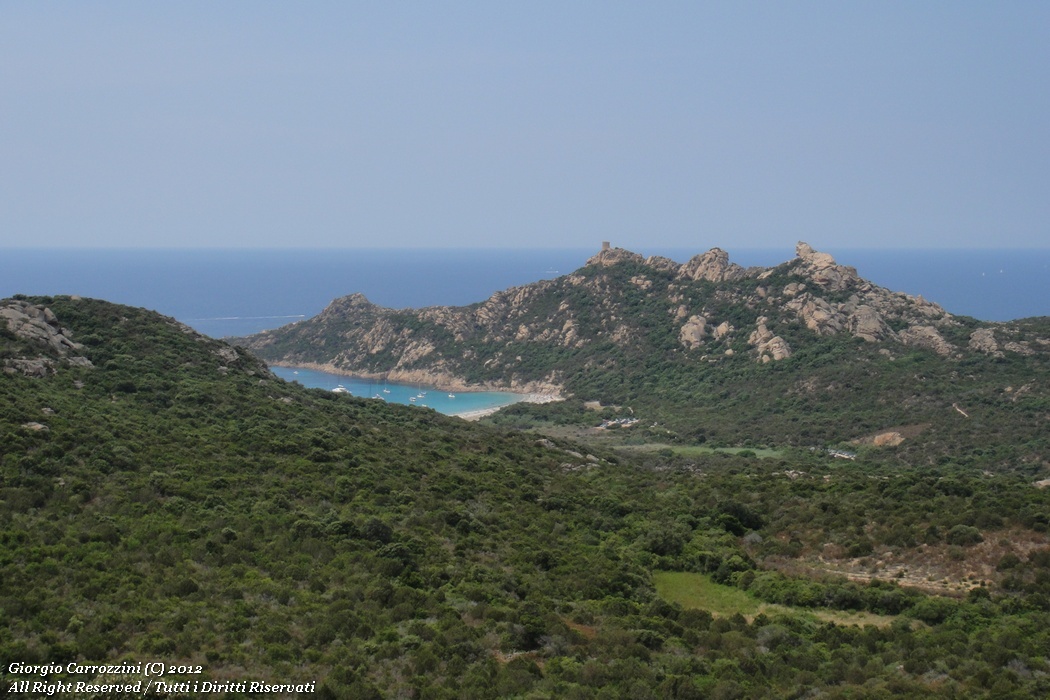
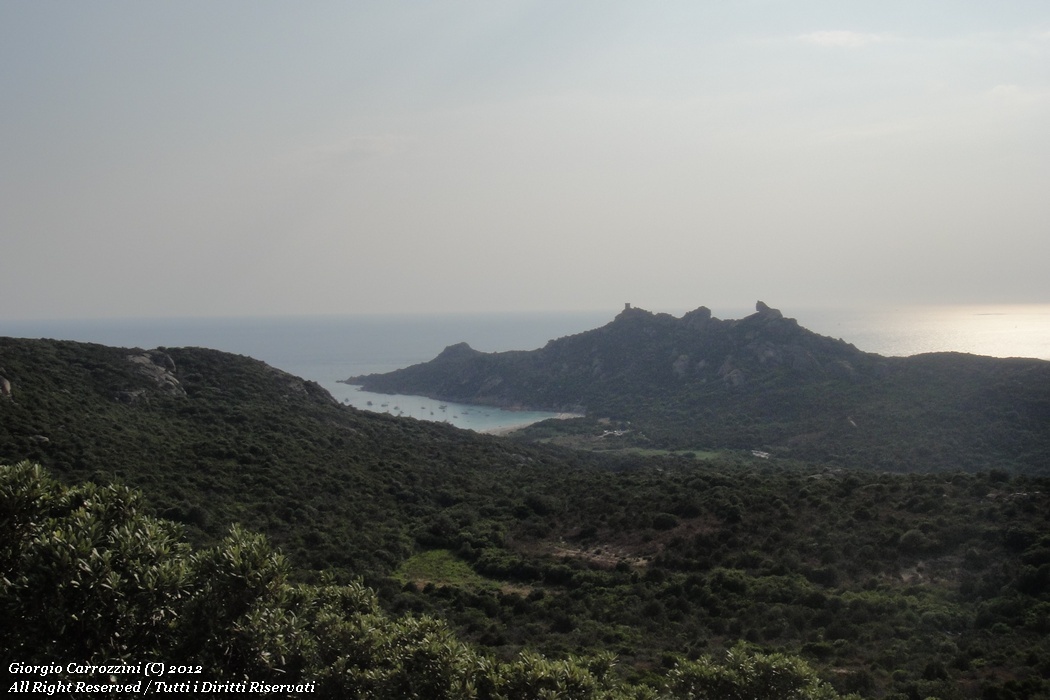
Fact sheet
- Hike fact sheet
Fact sheet not available...